Are you still only using two factor authentication? I'm way ahead of you with my 7 factor authentication 🔐

 mastodon 4.7.3
Writing Python & more 🐍 • internet infrastructure & standards • community organiser • aspiring rustacean 🦀 • Write the Docs • IRRD & BGP • 🏳️🌈🏳️⚧️ • she/they
Are you still only using two factor authentication? I'm way ahead of you with my 7 factor authentication 🔐
RIPE NCC made session tokens for the entire member portal available to over 1000 third parties, by design. Full access to the RPKI dashboard, the RIPE Database, and everything else. RIPE NCC had placed strangers under the same domain as their most critical systems.
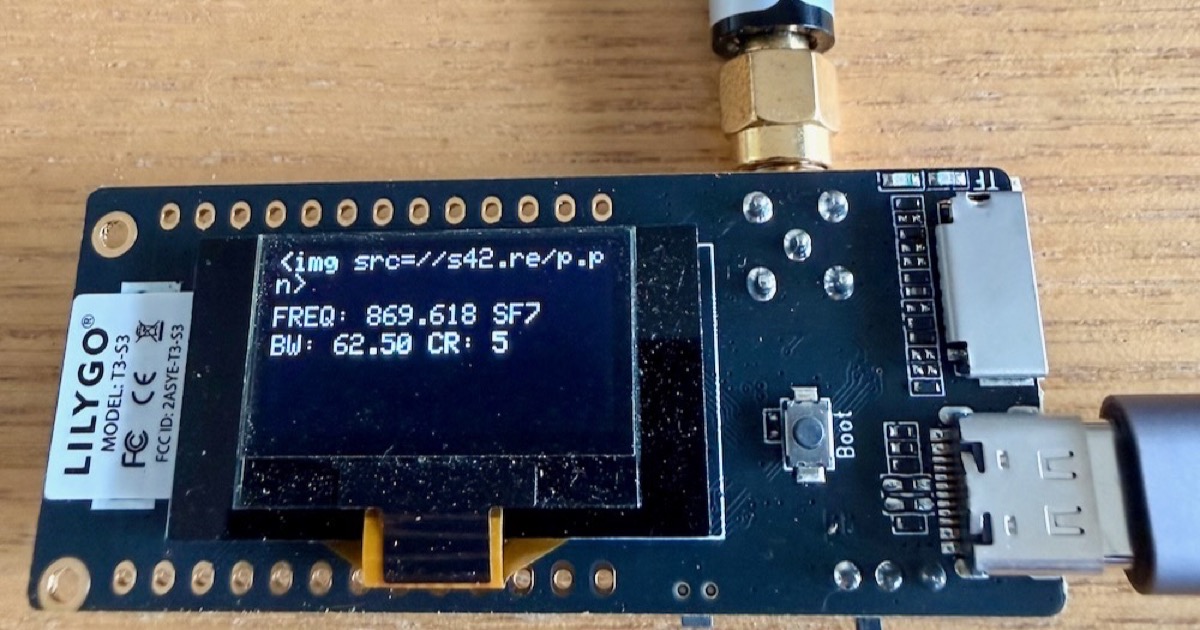
The RIPE NCC SSO cookie is scoped to `*.ripe.net`, so browsers send it to any HTTPS server under that domain. Atlas anchor hosts and RIPE meeting attendees all had assigned hostnames under that domain, and nothing stopped them from requesting a valid TLS certificate for those hostnames. A single link click was enough to leak the token.
The impact went further than my publication from last week with XSS+CSRF: this allows full session access, including adding admin users and API keys that persist silently.
Full write-up: https://mxsasha.eu/posts/ripe-ncc-sso-cookie-exposure/
Resolved about 3 months after my report, by adding two DNS records. RIPE NCC has not published any acknowledgement of this vulnerability, nor credited me as the reporter on their own channels.
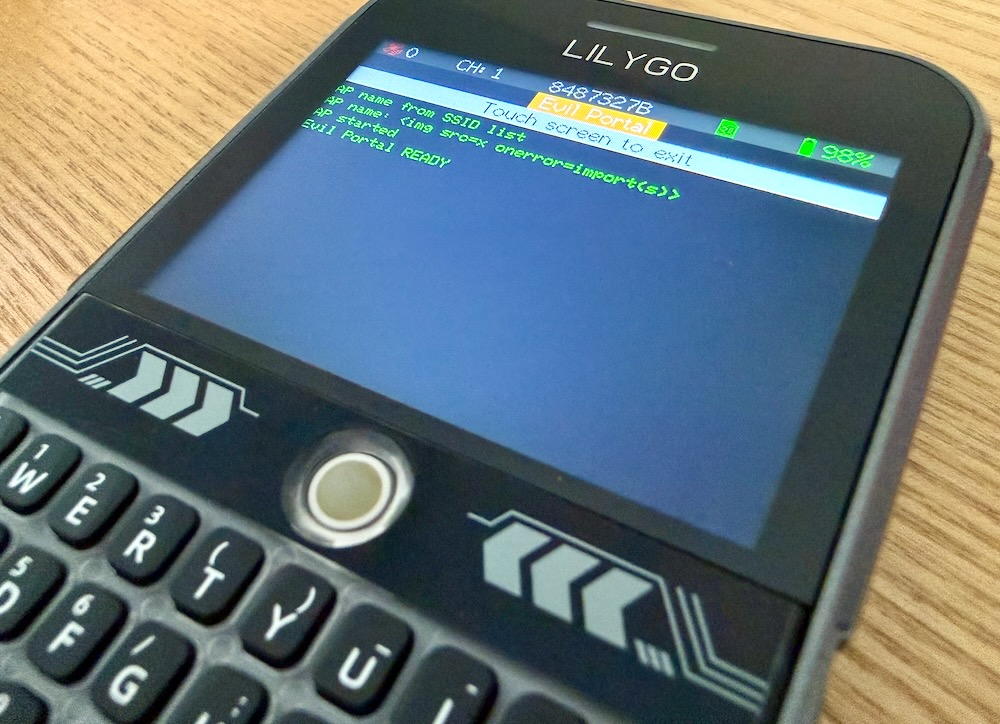
Rooting OpenWRT from the parking lot: I discovered an XSS in the OpenWRT SSID scan page, that can be chained to remote root access 👾
Write-up and demo: https://mxsasha.eu/posts/openwrt-ssid-xss-to-root/
CVE-2026-32721, fixed in 24.10.6 / 25.12.1
A RIPE Atlas probe could have been enough to hijack a RIPE NCC user's next login, giving full access to the member portal, including the RPKI dashboard and the RIPE Database.
I discovered a session fixation vulnerability in RIPE NCC's single sign-on: the session token was not rotated on login. Two ways to exploit it: a new XSS in RIPEstat through DNS NS records, or a free Atlas probe. Anyone with a free RIPE NCC account can host a probe, approved automatically. Installing a web server and serving one HTML page was all it took.
This builds on my earlier posts on the XSS+CSRF exploit chain and session token exposure through CAA misconfigurations: https://mxsasha.eu/posts/ripe-ncc-session-fixation/
The vulnerability was fixed within 20 days. This all took place before my #RIPE92 talk from last week, only some of it made it into that talk. More structural fixes are pending.
Just over 4 years after publishing the first draft, NRTMv4 has been approved by the IESG! This was my first ever IETF draft. This new protocol dramatically improves Internet Routing Registry security and reliability.
All that remains now is the RFC Editor process. Four authors went through 11 versions, 25 reviewers/implementers, dozens of comments, and 5 interoperable implementations. Catch my talk at the #RIPE92 database working group to learn more.
Thank you, people of mastodon and reddit ✨I was already aware this is not actually 7-factor auth technically ✨
Also it's a bad idea mainly for other reasons: one glitch in this usb hub could fry all my keys at the same time 🔥
I have been working on a set of vulnerabilities for 14(!) months, but the end is in sight! Just sent the draft blogs to the vendor for review, got € 3200 in bug bounties, and in two weeks I should be able to publish my attack chain on critical internet infrastructure 🕵️♀️
Tracking 30 vulnerability findings right now, all variations on the same mistake. Responsible disclosure is getting pretty draining. Vendors range from pretty great to deeply exhausting. Some of this is account takeover, some of it is worse. I do this in my free time, so irresponsible disclosure is starting to sound appealing :)
FIDO2 tokens (like yubikey) are great, but you either want more than one or a good process around recovery codes. Making logins more complicated will lower the risk of account compromise, but increase the risk of locking yourself out. Always have a plan for what happens if a token, phone or other hardware breaks, is lost, or stolen.