#burnout

40 posts · Last used 8d

After five years, I'm stepping down as team lead and member of the #rustlang library teams. It's been a wonderful time and a pleasure seeing the teams grow and evolve in these years. I'll probably still be occasionally reviewing and contributing, but I don't have any energy left to stay involved as much as I used to. At least for now. I'll still be a member of the Rust project, as part of the leadership council and organization of the Rust All-Hands 2026. I'm excited to find something new that gives me energy and motivation. Most likely, that new thing will have something to do with Rust, but I don't know yet what exactly that will be. Maybe teaching Rust, or writing another book, or solving #burnout in open source.. we'll see. :) Thanks to everyone who I worked with on the Rust standard library and language. It has been a pleasure. Our paths will definitely cross again. 💛
319
0
60
1
Article parlant de santé mentale
4
3
1
0
« Tant que je pouvais continuer, je considérais finalement que tout allait encore à peu près bien. » Jusqu’au moment où le corps finit par rappeler qu’il a aussi ses limites. Travail, vie perso, loisirs, repos… On nous apprend à tenir, à optimiser, à rester performant partout. Et chez les hommes, ne pas flancher reste encore souvent associé au fait d’être solide. Mon nouvel article sur cette injonction à la performance, le productivisme et cette difficulté que j’ai encore à simplement m’arrêter avant d’être épuisé. blogs.gayfr.social/libres-ebat… Vos retours m’intéressent. Partage apprécié. #Productivisme #Performance #SantéMentale #Masculinités #Fatigue #BurnOut #Travail #HustleCulture #Repos #LâcherPrise #Déconstruction #BienEtre #Vulnérabilité #LibresEbats @gayfrance RE: blogs.gayfr.social/api/posts/b…
Quoting
L’injonction à la performance : quand le corps ne suit plus Avant mes vacances cet été, j'étais épuisé. Je continuais pourtant à travailler, à remplir mes journées et à faire ce que j'avais à faire. Rien de suffisamment spectaculaire pour me faire penser que j'avais atteint une limite. Tant que je pouvais continuer, je considérais finalement que tout allait encore à peu près bien. Puis une infection s'est déclarée au début de mes vacances et, plusieurs semaines plus tard, j'ai toujours du mal à m'en débarrasser complètement. Je ne vais évidemment pas prétendre que ma fatigue a provoqué cette infection, ce serait beaucoup trop simpliste. En revanche, l'enchaînement m'a obligé à regarder autrement l'état dans lequel j'étais arrivé à cette période. Mon corps était déjà fatigué depuis un moment et, comme souvent, j'avais préféré continuer plutôt que ralentir.  Chez moi, la performance n'a jamais vraiment consisté à vouloir être meilleur que les autres. Elle consiste plutôt à tenir, à être disponible, à faire ce qui doit être fait et à éviter de montrer lorsque quelque chose devient trop lourd. À 42 ans, je me rends compte à quel point cette manière de fonctionner correspond aussi à ce que l'on apprend traditionnellement aux hommes. Être solide, encaisser, travailler, assurer matériellement et émotionnellement, ne pas trop se plaindre et surtout ne pas donner l'impression que l'on perd le contrôle. J'en ai déjà beaucoup parlé ici à propos du silence des hommes. La performance en est finalement une autre facette. Celui qui arrive épuisé au travail mais tient sa journée est considéré comme courageux. Celui qui ne compte pas ses heures est investi. Celui qui reste disponible pour tout le monde malgré ses propres problèmes devient quelqu'un de fiable. On finit par porter son épuisement presque comme une preuve de sérieux. Et le monde du travail ne fait évidemment rien pour nous décourager. La *Hustle Culture*, cette valorisation permanente du travail, de l'efficacité et du dépassement de soi, a simplement poussé cette logique beaucoup plus loin. Il ne suffit plus de travailler, il faudrait être constamment en train de progresser, d'apprendre, d'entreprendre ou d'améliorer quelque chose. Le productivisme a même fini par sortir du bureau. Notre temps libre doit lui aussi devenir utile. Il faudrait faire du sport, lire, apprendre une langue, avoir des projets, cultiver son réseau, manger correctement et dormir suffisamment pour être de nouveau performant le lendemain. Même le repos commence à ressembler au travail. Le sommeil peut être mesuré, noté et optimisé. Nos pas sont comptés, notre rythme cardiaque analysé, notre temps d'écran surveillé. Pris séparément, ces outils peuvent évidemment avoir leur utilité. Mais je trouve assez révélateur que nous ayons réussi à appliquer les mêmes méthodes de mesure à notre corps qu'à une chaîne de production. Le temps mort devient presque suspect. Il faut qu'il serve à récupérer, à progresser ou à préparer quelque chose. Même lorsque nous ne produisons rien, nous devons au moins optimiser notre capacité à produire plus tard. C'est peut-être l'une des réussites les plus insidieuses du productivisme moderne. Il n'a même plus besoin d'un patron derrière nous pour nous demander d'être efficaces, nous avons intégré nous-mêmes le logiciel. Je me reconnais assez facilement là-dedans. Lorsque quelque chose m'intéresse, j'ai envie de comprendre, d'essayer et d'aller le plus loin possible. Cela peut être un livre, un projet informatique, un nouveau service ou un sujet politique. J'aime cette curiosité et je n'ai aucune envie de m'en débarrasser, mais elle devient fatigante lorsque chaque centre d'intérêt se transforme en nouveau projet.  Je l'ai vu aussi avec ma consommation d'informations. Plus le monde m'inquiétait, plus je lisais, regardais des vidéos ou écoutais des podcasts, comme si accumuler suffisamment de connaissances allait finir par me rassurer. Cela a surtout réussi à ajouter de la fatigue à l'inquiétude. Au fond, j'ai encore beaucoup de mal à ne rien faire sans avoir l'impression de perdre mon temps. Il y a toujours quelque chose à lire, un message auquel répondre ou un projet sur lequel avancer. Pendant longtemps, j'ai considéré le repos comme quelque chose qui arrivait une fois le travail terminé. Le problème est assez évident, le travail n'est jamais terminé. Il y aura toujours un mail, une tâche, une idée ou quelque chose qui pourrait être amélioré. C'est probablement cette logique que j'ai besoin de remettre en question aujourd'hui. Ralentir ne signifie pas devenir moins curieux ou renoncer à faire des choses. Cela signifie peut-être simplement accepter que tout n'a pas besoin d'être accompli immédiatement et que certaines heures n'ont pas besoin d'être rentabilisées. C'est assez ironique lorsque je relis ce que j'écrivais il y a quelques mois sur les hommes qui attendent d'être au bord du précipice avant de commencer à parler. Je sais depuis longtemps que l'on ne peut pas tirer indéfiniment sur la corde, mais savoir quelque chose intellectuellement ne signifie visiblement pas que l'on sait toujours l'appliquer à soi-même. Mon burn-out et ma dépression m'avaient déjà montré ce qui arrive lorsque l'on ignore trop longtemps certains signaux. Cet été m'en a donné un nouveau rappel. Je ne deviendrai probablement jamais quelqu'un qui passe des heures sans rien faire sans chercher une nouvelle occupation. Ce n'est tout simplement pas mon caractère.  En revanche, je peux peut-être arrêter de considérer la fatigue comme un obstacle à surmonter et le repos comme une récompense qu'il faudrait avoir méritée. Finalement, le droit de ne pas être performant commence peut-être simplement là, accepter que notre valeur ne dépend pas de ce que nous sommes capables de produire, de supporter ou d'accomplir. Et réussir à s'arrêter avant que le corps ne finisse par le décider à notre place.
Open quoted post
0
5
0
0
New account, so #introduction I'm close to #burnout, or perhaps already going through it, both at work and in my personal life. My crazy lifestyle (insane work pace, alcohol, diet) is starting to affect my physical and mental health, and I simply want to change that. I don't expect you to feel sorry for me or follow me. My presence here is mostly therapeutic and diary-like. However, interaction is always welcome and will help keep me motivated. 1/2 #today #recovery
0
0
1
0
LLM fatigue is real My day job basically requires me to use LLMs (or, it is strongly encouraged) on the software that I develop. Now I understand why LLM fatigue and LLM burn-out happens. It is because you constantly have to babysit the LLM to keep it from screwing things up. Babysitting is exhausting work. At one time in my life, as a 20-something-year-old, I was responsible for a group of 30 kids age 5 to 12. Every day I went home so drained that I could barely stay awake long enough to have dinner. I know from experience that school teachers perform some of the most labor-intensive work in the modern world. It is what they call “emotional labor.” When other people are unable (as with kids) or unwilling (as with a lazy roommate) to live or play or work with you as a cooperative peer or team member, you essentially have to spend mental energy keeping an eye on them and making sure they aren’t doing something that is disruptive. That mental energy is a real energy cost, it really does consume calories and make you feel tired. The worst part about it is that the LLM never really “learns.” Kids can learn to work and play with you. Lazy roommates can learn to live with you. But an LLM never really learns, and it keeps making the same mistakes over and over again. People who work with LLMs often end up keeping a directory of scripts they can deploy with a quick copy-paste so they can quickly re-explain something to an LLM. So the fatigue of watching over it and making sure the LLM doesn’t do something wrong is a constant emotional pressure, and it never gets better with age. #tech #AI #LLMs #LLM #VibeCoding #AIFatigue #BurnOut
275
24
207
0
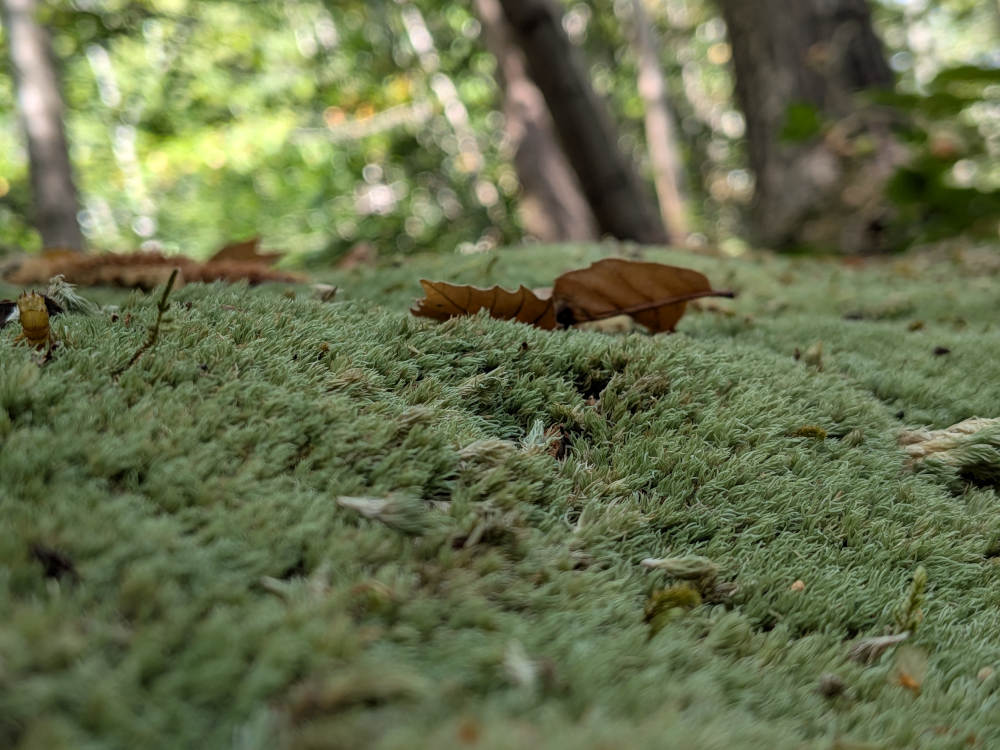
I had a moment of quiet contemplation on a walk today, taking some time for *me*, and stopped to appreciate some nature, in particular some moss. There's pictures, and even a little video! Moss is cool! Work sucks! I'm trying to be better to myself! https://fyr.io/post/moss-and-peace #blaugust #blaugust2026 #nature #phonephotography #moss #Mosstodon #blogging #worklifebalance #burnout #selfimprovement (Higher res photo in the blog post)
32
0
5
0
Burnout is far from being one thing, and there is no cure-all for it. It's something we really need to talk more about; normalize as an issue people could be dealing with, and that modern work environment (notably for research and creative work) might be inducing. (I'm fine so far. Work and life are taxing, but I'm handling and keeping an eye on my mental health. The same could not be said for some people around me) #MentalHealth #Burnout
22
0
12
0
"When the people who built and operated your cloud would rather knead dough than touch a terminal again, that’s not a career pivot. That’s a trauma response." https://www.seuros.com/blog/aws-fired-the-human-who-made-the-difference/ The enshittification escalates... I walked away from tech almost four years ago with a case of burnout you could see from space. The intervening three years have only made me more grateful that I left when I did. (I wish all my friends and colleagues still chained to the oars had my opportunity.) #aws #layoffs #burnout #ai
111
11
68
0
I accidentally wrote the emotional finale to my little “stop optimizing the joy out of everything” trilogy. It contains burnout, Stockholm, outsourced identity, grindset brainworms, a wood chipper with OKRs, a future electric farm truck and, naturally, a goat named Ralf. Anyway, please enjoy my carefully formatted psychological damage: https://augustini.wtf/fieldnotes/i-was-grinding-myself-down/ #Burnout #MentalHealth #Writing #Tech #SoftwareEngineering #Career #Queer #Trans #PersonalBlog #FieldNotes
1
2
3
0
There’s a quiet epidemic running through C-suites worldwide, and most boards won’t admit it exists. It shows up in the third consecutive all-nighter before the quarterly earnings call. In the executive who hasn’t taken a real weekend off since the merger announcement. In the senior leader whose children can barely remember their parent’s face without a phone screen in between. We tend to dress it up as “commitment” or “dedication.” Sometimes we call it “high performance.” But beneath the corporate euphemisms lies something simpler and harder to swallow: leaders are running on fumes, and everyone pays the price. Why this isn’t just a wellness problem Let me be blunt: framing executive wellbeing as a mental-health initiative misses the point entirely. This isn’t about meditation apps or wellness stipends. Those are band-aids on a bullet wound. When you’re making decisions that affect thousands of jobs, millions in revenue, and an entire organization’s trajectory, cognitive clarity isn’t a luxury. It’s a competitive requirement. And stress, fatigue, and chronic exhaustion don’t just make people feel terrible—they actively degrade the neural machinery required for sound judgment. Harvard Business Review covered this ground extensively. So did McKinsey. The research keeps landing on the same uncomfortable finding: sleep-deprived executives make measurably worse decisions. They become reactive instead of reflective. They default to familiar patterns when they should be innovating. They overestimate risks and underestimate opportunities. None of this registers on a balance sheet until months later, when a missed acquisition target or failed transformation reveals what should have been obvious at the start. But here’s what the reports rarely say out loud: the culture of leadership rewards the opposite behavior. There’s still a weird prestige attached to looking perpetually drained. As if burnout is a badge of honor rather than a warning sign. What actually works Okay, so we know the problem. Now what? Because this isn’t solved with nice intentions or another DEI statement on wellbeing. It requires structural change—the kind that makes some boards nervous because it means admitting that the current model isn’t sustainable. Here’s what I’ve seen work, across organizations ranging from Fortune 500 companies to growing startups: Stop glorifying the grind. Sounds simple. It’s not. When the CEO sends emails at 3 AM, that signal ripples down faster than any policy memo ever could. Some companies have started enforcing actual boundaries—no weekend messages, mandatory offline periods during leave, meeting-free blocks that executives can’t override with their own back-to-back schedules. It feels radical. That’s probably why it works. Give leaders somewhere safe to talk. The isolation at the top is brutal. Few peers understand the weight of having final accountability. Even fewer are willing to admit vulnerability. External peer groups help. Executive coaches with real clinical training help more. But it takes courage to build these channels without making usage somehow visible to HR or compensation committees. Trust is everything here. Treat recovery as infrastructure. Travel, sleep, exercise, nutrition—these aren’t personal choices for senior leaders. They’re operational requirements. A fatigued CFO doesn’t make better decisions. An exhausted COO doesn’t run a tighter operation. Companies that recognize this embed recovery time into travel policies, provide comprehensive health monitoring as standard benefit rather than perk, and design meeting structures that don’t assume humans can function optimally after six hours of back-to-back calls. Let the board ask hard questions. Compensation committees should be asking more than “did you hit your numbers?” They should ask: how sustainable is that performance? Are you building resilience or burning bridges? The language might feel unfamiliar, but so did ESG five years ago. What seems soft today becomes standard tomorrow. The bottom line Here’s the thing: the next generation of leaders isn’t buying the old playbook. They’re reading the data on burnout. They’re watching their predecessors crack under pressure. They’re choosing differently—and companies need to figure out how to meet them there. Organizations that get ahead of this shift won’t just retain better talent. They’ll make better decisions, move faster on critical initiatives, and navigate crisis with actual clarity rather than performative calm. The wellbeing dividend is real. It just requires acknowledging that human beings aren’t machines, no matter what the org chart suggests. The question isn’t whether companies can afford to invest in their leaders’ health. It’s whether they can afford not to. And for anyone reading this who’s currently working through lunch again—take a breath. Your board needs you sharp, not spent. #wellbeing #MentalHealth #burnout #ExecutiveBurnout #business #OrganizationalCulture #organization #health
6
0
8
0
Wo kommt eigentlich plötzlich die Debatte über das Ladenschlussgesetz her? Ein wenig verstörend, wie viele Leute Errungenschaften der Vergangenheit über Bord werfen u. sich in Kommentaren lauter selbstoptimierte Freaks melden, die gern bis zum Umfallen arbeiten. Dabei geflissentlich übersehen, dass es Menschen mit einem Leben gibt. #Burnout #Arbeit #Kapitalismus
3
0
2
0
currently thinking a lot about how much less disabled I'd probably be if the general attitude in society to people – INCLUDING CHILDREN!!!! CHILDREN ARE PEOPLE!!!! – struggling or being slow or avoiding tasks would be to accomodate them and be patient, rather than to be annoyed or punish them. My earliest memories are of constantly getting chided for being slow. Sometimes it was good-naturedly, sometimes sternly, sometimes I was actually punished (slow at eating? not getting to eat my fill). At no single point did anyone wonder if I just needed more time than others and if this human variance, this diversity, might be tolerable. No, I had to be made to fit into the box, into the schedule. For no reason. Just 'cause. Was I already disabled or chronically ill as a kindergarten-aged child? Was that why I was slower than others, despite trying? It's possible. I don't know how I'd ever find out. But even without pathologising the way I have always been. I needed accommodations. And not getting them trained me to dissociate, to push myself past my limits on a daily basis as the default way to interact with anyone. It was fucking exhausting and everyone told me it wasn't. So I lost touch with my body's signals, distrusted them, actively faught them. A couple decades later my body is breaking down and no longer able to accommodate my rushing and pushing myself. I could compensate as a child, as a teenager. I stopped being able to in my 20s. I could still be part of society by living off benefits instead of having to work. Now, a few days before my 40s birthday, I can't take proper care of myself and can't even dream of participating in society beyond mastodon (and even then it's spotty). I deteriorated in a way that felt imperceptibly slow until it suddenly wasn't. And in hindsight, there was a steady progression. At no point did anyone (except Dion) consider encouraging me to slow down. To listen to my body and its limits. No. They all just assumed I needed to try harder, or that I'd always be miserable and pityable. It's not true though. I have turned the boat around, slowly. I am recovering now and am getting better. Slowly at first, I hope I will look back in a few decades and see as steady an incline from now on, as I had a decline before. Sure, I can't expect to be as spry as a 20yo when I'm 60, 70, 80. But I can be spry for my age. And I will get there by no longer trying so hard. By doing the actually hard work of allowing myself rest. #disability #DisabilityPrideMonth #ChronicIllness #ableism #AbuseCulture #adultism #AutisticBurnout #burnout
27
5
16
0
« J'avais peur d'ouvrir une boîte de Pandore. » C'est ce que je croyais avant de pousser la porte du cabinet. En réalité, la boîte était déjà ouverte. Elle ne parlait simplement pas avec des mots. Mon nouvel article explore cette frontière invisible entre la peur et le besoin de parler. blogs.gayfr.social/libres-ebat… Vos retours m'intéressent. Partage apprécié. #masculinités #SantéMentale #Thérapie #LibresEbats #Dépression #psychologie #BurnOut #Bienetre #Vulnérabilité #Dialogue #Parole #Silence #Hommes #témoignage #homme RE: blogs.gayfr.social/api/posts/l…
0
4
0
0
As a GP in Germany, I struggle with the claim that “people don’t want to work.” In daily practice, I see the opposite: many patients push themselves to keep working, even when they should rest. They worry about burdening colleagues, unfinished tasks, or upcoming deadlines. If we want to understand rising sick leave, we need to look at real factors: increasing workload, constant pressure, lack of recovery time, social isolation, and overall exhaustion. Reducing this to a question of “motivation” ignores both evidence and lived experience. In my experience, people who genuinely try to avoid work are a tiny minority. Framing the issue this way feels similar to old narratives about unemployment—oversimplified, misleading, and disconnected from reality. #MedMastodon #GeneralPractice #PrimaryCare #WorkStress #MentalHealth #SickLeave #HealthPolicy #Germany #Arbeitswelt #Burnout #PublicHealth #Reform #AU #Arbeitsunfähigkeit #Gesundheitsreform #gesundheitspolitik #gesundheitssystem
857
47
753
2