Elektrine
Log in Register
Paige Chat Timeline Gallery Friends Email Drive DNS Private DNS Domains VPN Kairo Nerve
Remote

Dr. Katharine Hayhoe

@kathhayhoe@fediscience.org
mastodon 4.6.9
  • Open on fediscience.org

Climate Scientist, Professor @ Texas Tech, Chief Scientist @ The Nature Conservancy, UN Champion of the Earth, author of Saving Us. Posts 100% my own.

For more frequent posts, I recommend following me on Bluesky or my bridge account here: @katharinehayhoe.com@bsky.brid.gy@fediscience.org

I also have a Threads bridge account: @katharinehayhoe@threads.net@fediscience.org

12405 Followers
413 Following
33 Posts
Joined May 21, 2024
Open post
Dr. Katharine Hayhoe @kathhayhoe@fediscience.org
· 1w ago
Boosted by @Dragofix@veganism.social
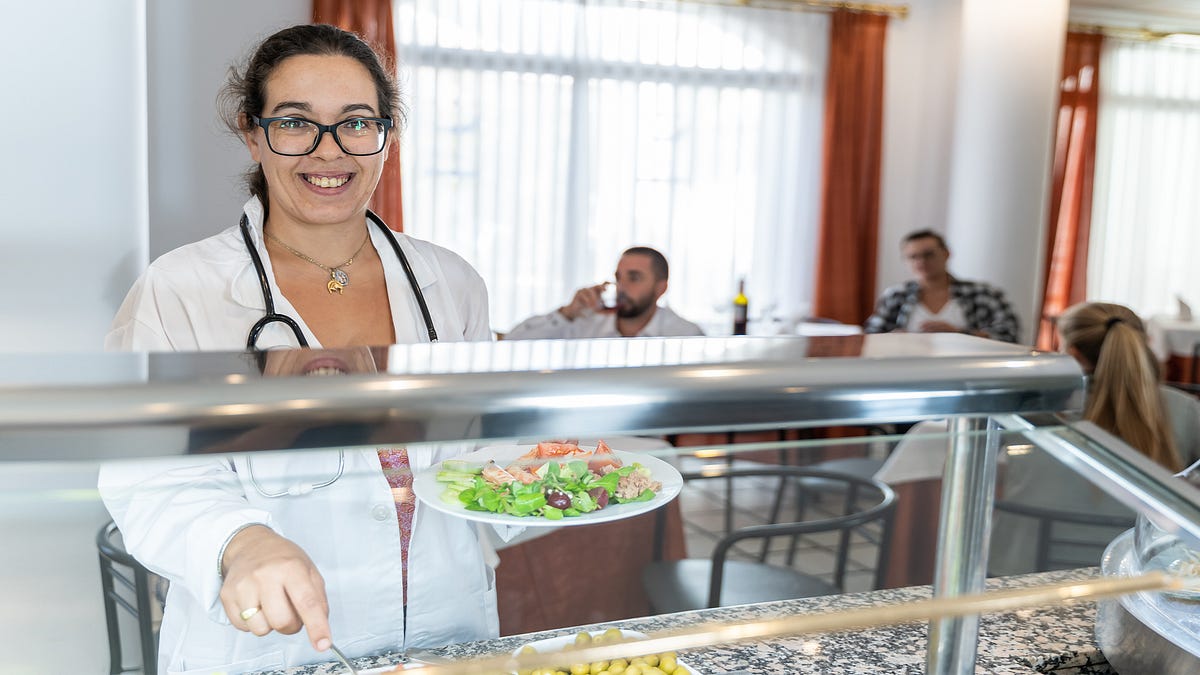
Many of us eat meals we had no hand in planning, whether at school, at work, or in the hospital. Often, we assume there's nothing we can do about them ... but one hospital just proved otherwise. Read on! 🍽️ Good news: At a Vancouver hospital, psychology & sustainability researchers teamed up with a chef, dietitians, and doctors to create new fish- and plant-rich dishes patients loved. Nutrition went up, food-related emissions went down, and more than 20 other hospitals are following suit! 🐟 Not-so-good news: As oceans warm, the algae at the base of the marine food web are making fewer of the omega-3s our eyes, brains, and hearts depend on. That shortfall travels all the way up to the fish on our plates. 🙋🏻‍♀️ What you can do: The kitchens at your school, workplace, or church serve more food in a week than you'll cook in a year. This makes them one of the highest-impact places to change what's on the plate. This week, find out who plans the menu at a cafeteria where you eat, and ask if they'd add more healthy and plant-rich options. You don't need a plan, a budget, or a title, just the willingness to ask 💚 https://www.talkingclimate.ca/p/climate-action-on-the-menu
Climate action on the menu
talkingclimate.ca

Climate action on the menu

Emission-cutting hospital menus, warming oceans reduce omega-3s, and greening your cafeteria

22
0
30
0
Open post
Dr. Katharine Hayhoe @kathhayhoe@fediscience.org
· 3mo ago

Today is #ShowYourStripes day!

The warming stripes, created by climate scientist Ed Hawkins show how the place where you live has changed over time.

They've been used on electric busses, concert backdrops, sports uniforms + more to raise awareness. This year, the UK's National Trust is projecting warming stripes onto Glastonbury Tor with the message: "Start a conversation about our warming world."

Find yours at showyourstripes.info - there are stripes by continent, country, and even city. Download them, share them, and start a conversation today.

fediscience.org
70
11
70
2
Open post
Dr. Katharine Hayhoe @kathhayhoe@fediscience.org
· 3mo ago

For the first time on record, solar generated more electricity than coal across the entire U.S. - despite active federal policy pushing the other direction.

☀️ Good news: The UK shut off its last coal plant in 2024. China now installs more wind and solar annually than the rest of the world combined. And last month, the U.S. crossed a milestone that seemed impossible five years ago: solar beat out coal on the national grid, for the first time in history.

🌡️ Not-so-good news: A super El Niño is set to supercharge heatwaves, droughts, and floods in the coming year. These in turn impact everything from coral bleaching risks to food price spikes worldwide.

🌈 What you can do: Find the warming stripes for your city at Show Your Stripes, share them, and use them to start one conversation. Those conversations matter more than you think!

https://www.talkingclimate.ca/p/the-great-solar-coal-flip

talkingclimate.ca
61
0
56
0
Open post
Dr. Katharine Hayhoe @kathhayhoe@fediscience.org
· 3mo ago
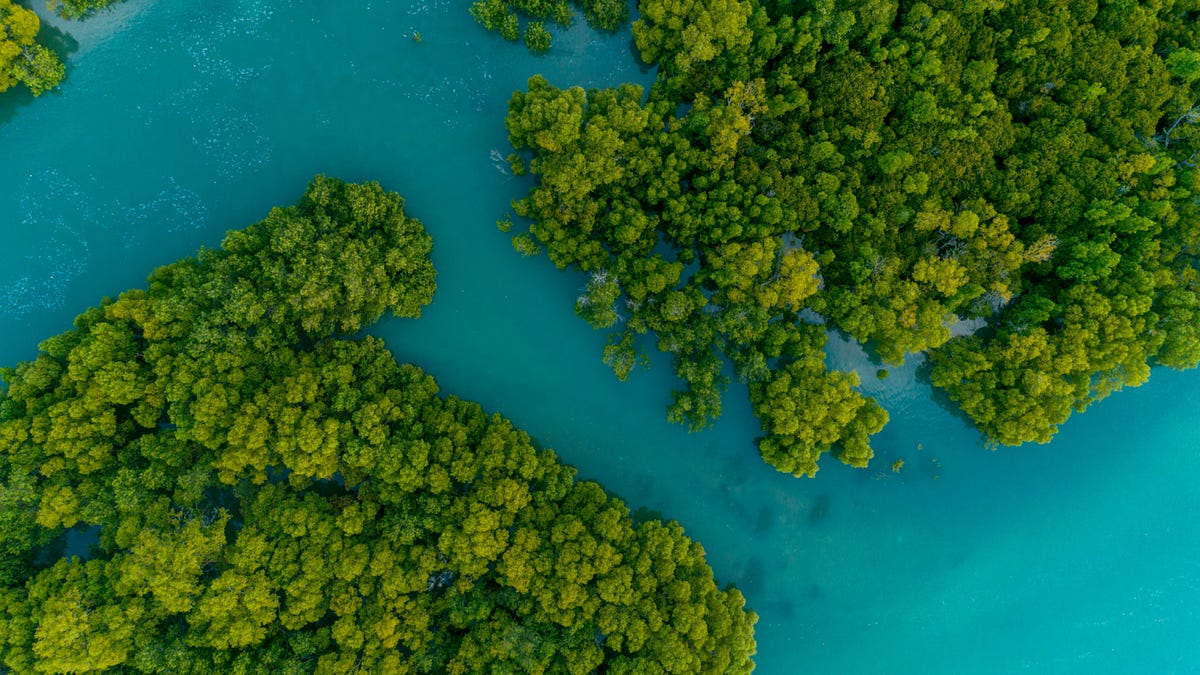
For decades, coastal mangrove forests have been decimated by development. But just this past week, forty years of satellite data confirmed something remarkable ... 🌿 Good news: Mangrove forests worldwide are now growing back faster than they're disappearing, with forty years of NASA satellite data showing the decline has reversed thanks to conservation, restoration, and regrowth. 💰 Not-so-good news: A new study finds biodiversity loss carries a steep price tag that financial markets haven't priced in, with $83 trillion in assets potentially mis-priced and some countries facing GDP losses over 15% by 2030. 🌡️ What you can do: Reuters just launched an interactive tool showing how much hotter today is than normal wherever you live. Look up your city and use what you find to start a conversation today! https://www.talkingclimate.ca/p/mangrove-forests-are-proof-that-protecting
Mangrove forests are proof that protecting nature works
talkingclimate.ca

Mangrove forests are proof that protecting nature works

Mangroves recover, the cost of biodiversity loss, and a new way to visualize heat

40
0
33
0
Open post
Dr. Katharine Hayhoe @kathhayhoe@fediscience.org
· 3mo ago

🔋 Good news: The world installed 112 gigawatts of new grid battery storage in 2025, a tenfold increase from just four years ago, and Australia is quietly out front: one in every 25 homes now has a residential battery.

🌊 Not-so-good news: Islands in India's Hooghly estuary have already been lost to rising seas and erosion and their residents are now climate refugees. As one journalist put it: the engineers knew, the scientists warned, and the decision was made not to act.

💰 What you can do: Check whether your retirement savings are invested in fossil fuels. Free tools like Fossil Free Funds (US and Canada), Ethical Consumer (UK), and Market Forces (Australia) make it fast and easy to find out. Then, take action.

Click the link below to read this week's full newsletter, and share one thing you learn with someone else. That conversation matters more than you know ... and you might be surprised where it leads! https://www.talkingclimate.ca/p/the-battery-boom-is-here

talkingclimate.ca
46
2
60
1
Open post
Dr. Katharine Hayhoe @kathhayhoe@fediscience.org
· 3mo ago
Heat records are falling across Europe and North America right now. This week's Talking Climate connects what's happening to what you can do about it. ⚽ Good news: Voices inside football are speaking up about climate: not just asking for recycling bins, but pushing back on fossil fuel sponsorships and building tool-kits in six languages to help clubs turn climate action into something real for fans and communities. 🌡️ Not-so-good news: Early estimates suggest more than 20,000 people have already died in the EU heatwave, and climate scientists confirm the record-breaking temperatures would have been virtually impossible without the burning of fossil fuels. 💬 What you can do: When someone asks why this summer feels so brutal, you don't need to be a climate scientist to answer. A new study shows that when people learn an extreme weather event was made worse by climate change, they're significantly more likely to support climate action. Read the full issue below, and share one thing you learn with people you know. That conversation is one of the most important things you can do right now. https://www.talkingclimate.ca/p/extreme-heat-is-everyones-problem
talkingclimate.ca
30
1
39
0
Open post
Dr. Katharine Hayhoe @kathhayhoe@fediscience.org
· 3mo ago
Climate action is often dismissed as a money-making scheme. But if “green” is the scam, who’s actually cashing the checks? In this episode of Cold Facts, Hot Takes, I dig into one of the internet’s favorite climate claims: the idea that “Big Green” is enriching itself off climate solutions and giving us scientists a cut. The trolls might be right that there’s money distorting this conversation — but they’re pointing at the wrong industry. Let’s follow the money and talk about fossil fuel subsidies, oil company profits, and why some of the loudest accusations about climate “grifters” point in the wrong direction. Watch the full video here: https://youtu.be/0XLpFVHC5Ag

The Green Scam! Who is really making money off climate change?

33
2
32
1
Open post
Dr. Katharine Hayhoe @kathhayhoe@fediscience.org
· 4mo ago

The world is no longer headed for the most catastrophic futures climate scenarios once warned about: but not because the science was wrong. It’s because people listened, and acted.

That is genuinely good news; but the new scenarios also tell us this:

📈 Not-so-good news - The new climate scenarios cover a narrower future, illustrating how human choices over the last 20 year have closed doors. While highest warming pathways are now less likely thanks to climate action over the last decade, our chances of staying below 1.5C without overshoot are now gone. And in a future where "every bit of warming matters" that means that some previously avoidable suffering will now occur.

🇺🇸 Good news - NPR’s Climate Solutions Week highlights local climate action across the U.S., from tribal wildfire resilience plans in Montana to geothermal heating in Denver and community solar in Portland. Climate solutions are still happening, all around us!

✈️ What you can do - If you’re travelling this summer, fly nonstop when possible, fly economy, take the train if you can, or simply slow down and stay longer in one place. Climate action isn’t only about technology. It’s about the choices we have every day - and share with others to make them contagious!

https://www.talkingclimate.ca/p/local-climate-stories-give-me-hope

talkingclimate.ca
47
10
44
0
Open post
Dr. Katharine Hayhoe @kathhayhoe@fediscience.org
· 3mo ago

Can we actually fix climate change? And if so -- how?

This week, I handed Talking Climate over to climate scientist and Project Drawdown executive director Jonathan Foley.

His message is simple: yes, we can.

🥗 Good News: From cutting food waste to protecting forests to improving how we farm, many of the solutions already exist. They just have to be scaled.

‼️ Not-So-Good News: Political leadership is faltering, corporate momentum is slowing, and climate journalism continues to shrink. Yet clean tech from solar to heat pumps are becoming cheaper and more competitive every year.

💡 What YOU Can Do: Don't just focus on your carbon footprint—focus on your climate superpowers. Need help finding them? Project Drawdown's SHIFT platform, developed with Kimberly Nicholas, helps individuals identify actions that can create the biggest ripple effects.

https://www.talkingclimate.ca/p/climate-solutions-are-here-now-what

🎙️ Bonus: Jon and I will be discussing where climate action goes from here in a live webinar next week - June 16 at 2 PM ET. Register here to join us! https://lnkd.in/gYd6zkx4

talkingclimate.ca
34
1
37
1
Open post
Dr. Katharine Hayhoe @kathhayhoe@fediscience.org
· 6mo ago

What if one of the most powerful climate solutions isn’t technology—but conversation?

💇‍♀️ Good news: Hairdressers may be some of the most effective climate communicators we’ve been overlooking. A U.K. study shows that when salons spark climate conversations, nearly 73% of clients say they’d adopt more eco-friendly habits.

⚠️ Not so good news: War doesn’t only devastate lives - it also drives massive emissions. A Climate and Community Institute analysis shows the first two weeks of the Iran conflict alone released about 5 million tonnes of carbon pollution. Rebuilding the damage will add even more.

🌱 What you can do: While negative news spreads faster, it’s positive, actionable stories that actually motivate us to act. Follow at least one source that shares climate solutions this week and share what you learn, on or offline. https://www.talkingclimate.ca/p/this-everyday-job-can-activate-climate

This everyday job can activate climate behaviour
talkingclimate.ca

This everyday job can activate climate behaviour

Hairdressers inspire climate convos, war supercharges emissions, and more positive content creators to follow

60
5
71
1
Open post
Dr. Katharine Hayhoe @kathhayhoe@fediscience.org
· 4mo ago

What do a giant new marine sanctuary, the loss of climate journalism, and plug-in solar panels for apartment balconies have in common?

They all show how much the future depends on the choices we make today.

🐠 Good News: Papua New Guinea just created the largest marine protected area in its history, safeguarding a stretch of ocean nearly the size of the UK in one of the most biodiverse marine regions on Earth.

😱 Not-So-Good News: NPR's climate desk has been dismantled, and many other major news organizations are doing away with climate reporting altogether. But the climate crisis doesn't go away when we stop covering it.

😎 What You Can Do: If you rent or live in an apartment, check out "balcony solar." And if local regulations are standing in the way? Use your voice to advocate for change. That's how the system changes.

Read more here and, as always, don't forget to use what you learn to start a conversation today! https://www.talkingclimate.ca/p/an-ocean-sanctuary-the-size-of-the

talkingclimate.ca
26
1
29
0
Open post
Dr. Katharine Hayhoe @kathhayhoe@fediscience.org
· 7mo ago

The US NSF has put out a "dear colleagues" letter that is essentially a yard sale list for the National Center for Atmospheric Research.

It asks questions such as, "who'd like to take over some of NCAR's programs?," and, "Is anyone interested in commercial use of the Mesa Lab?

If you have any thoughts about this that you'd like to share, you can send them to NSF_NCAR@nsf.gov

Here is the letter: https://www.nsf.gov/funding/information/dcl-nsf-intent-restructure-critical-weather-infrastructure

nsf.gov
57
3
132
1
Open post
Dr. Katharine Hayhoe @kathhayhoe@fediscience.org
· 6mo ago

⛪️ Good news: In the U.K., over 100 church leaders are calling out climate misinformation, making the moral case for why it causes real harm and delays action.

🐍 Not so good news: Climate change is shifting where species live—and in the case of venomous snakes, a new global study finds rising temperatures could increase the likelihood of dangerous encounters for millions.

🌱 What you can do: In the Netherlands, nearly 13M pavement tiles have been replaced with plants through a nationwide “tile flipping” challenge that's cooling neighborhoods, reducing flood risk, and restoring habitat. https://www.talkingclimate.ca/p/faith-leaders-call-out-climate-lies

talkingclimate.ca
39
2
29
0
Open post
Dr. Katharine Hayhoe @kathhayhoe@fediscience.org
· 6mo ago

🌎 Good news: One of the most biodiverse marine ecosystems on Earth, the Great Bear Sea, is Canada’s first - and the world's second largest - marine protected area network, co-governed by 17 First Nations.

⚠️ Not-so-good news: A new The Nature Conservancy Science study finds that 35% of the world already lives in areas where extreme heat limits safe outdoor activity for part of the year.

🌱 What you can do: Even small actions like planting native species or supporting community gardens can cool cities, reduce flooding, and support biodiversity.

And when we talk about climate solutions, anger and worry decreases: and hope rises! When we make climate action visible, it becomes contagious. https://www.talkingclimate.ca/p/indigenous-led-ocean-protection-in

talkingclimate.ca
46
1
46
0
Open post
Dr. Katharine Hayhoe @kathhayhoe@fediscience.org
· 4mo ago

One of the biggest challenges in climate action is imagining what a better future could actually look like: especially when solutions are so often framed as sacrifices that require loss, instead of opportunities to benefit from. This week's good news and what-to-do takes those on directly --

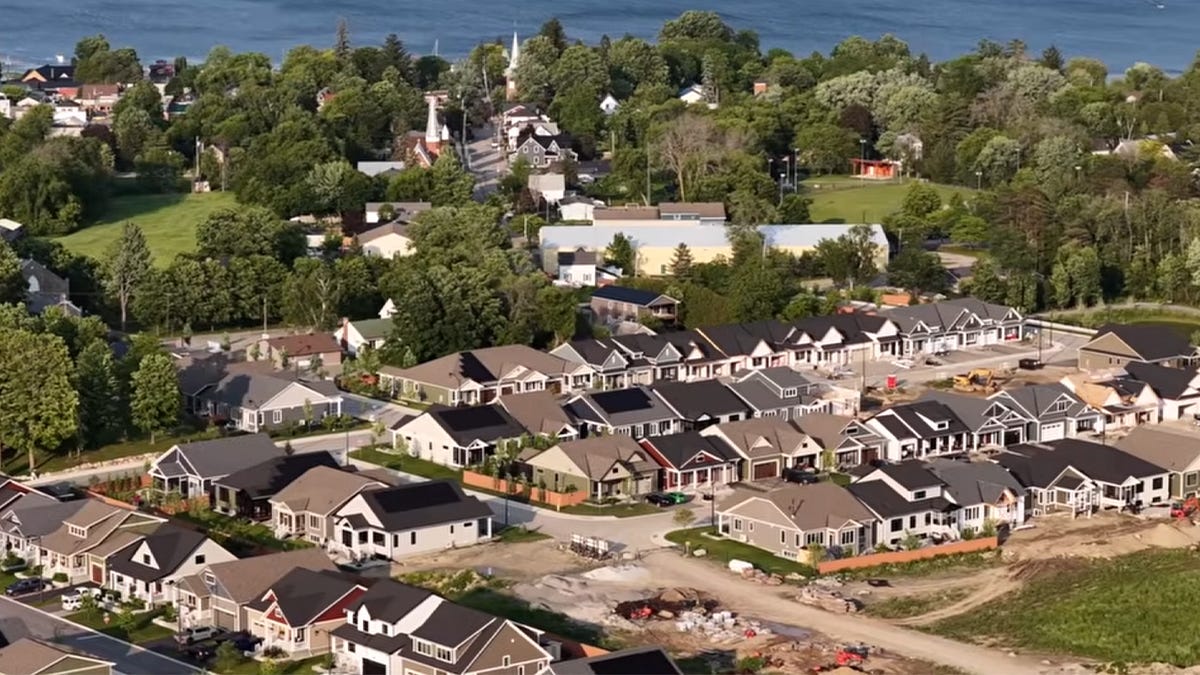
🏡 Good news: A new net-zero community in Ontario combines climate-friendly homes with walkable streets, hills and lakes, clean energy, and cold-climate heat pumps.

🚨 Not-so-good news: A new study from Houston found that climate disasters are making already dangerous prison conditions even worse, with extreme heat, flooding, and loss of basic necessities during storms.

🚶‍♀️What you can do: Try taking a “climate walk” through your own neighbourhood this week. What makes it livable? What could make it better? Climate solutions become much more tangible once we can actually imagine them around us!
https://www.talkingclimate.ca/p/would-you-live-in-this-net-zero-community

Would you live in this net-zero community?
talkingclimate.ca

Would you live in this net-zero community?

A Canadian net-zero community, higher climate risk for prisoners, and urban future walks

23
6
28
1
Open post
Dr. Katharine Hayhoe @kathhayhoe@fediscience.org
· 5mo ago

This week, I’m delighted to welcome fellow climate Katharine, Dr. Katharine Wilkinson, as guest editor of Talking Climate.

🌍 Good news: The lawyers who contributed to the landmark International Court of Justice climate ruling reminds us how every one of us has unique gifts to bring to climate action.

⚠️ Not-so-good news: Young people are carrying an enormous emotional burden as climate impacts intensify, with many feeling fear and uncertainty about the future.

💚 What we can do: We don’t have to answer this question alone! Katharine's new book, Climate Wayfinding, and the accompanying program helps us move from climate anxiety and uncertainty toward courage, community, and action.

https://www.talkingclimate.ca/p/finding-our-way-forward-in-the-climate

talkingclimate.ca
26
2
17
0
Open post
Dr. Katharine Hayhoe @kathhayhoe@fediscience.org
· 4mo ago

What does it actually look like to move beyond fossil fuels — not someday, but now?

🌍 Good news: In Colombia, 57 countries gathered last week for the first-ever global conference dedicated to transitioning away from fossil fuels. Together, they're creating practical roadmaps for reducing fossil fuel use.

🌊 Not-so-good news: A new study warns that much of coastal Louisiana may eventually be lost to rising seas, erosion, wetland loss, and sinking land. New Orleans could become an island in the Gulf.

♻️ Inspiration: In Louisiana, Glass Half Full is turning recycled glass into sand and gravel for coastal restoration - reminding us that solutions don’t have to start big to matter, and that we can feed two birds with one scone!

(yes, you see what I did there)

Read more in this week’s Talking Climate and don't forget to share what you learn, to make change contagious! https://www.talkingclimate.ca/p/introducing-the-coalition-of-the

talkingclimate.ca
23
3
31
0
Open post
Dr. Katharine Hayhoe @kathhayhoe@fediscience.org
· 6mo ago

🌱 Good news: Cities like London, Paris, and Barcelona are redesigning streets for people instead of cars. This cuts pollution while improving health, local economies, and quality of life.

🌡️ Not so good news: Rising nighttime temperatures are disrupting sleep worldwide, with cascading effects on health, learning, and productivity—especially for the most vulnerable.

🏡 What you can do: Simple steps like adding window film, choosing reflective roofing, and planting trees can keep your home cooler, save money, and reduce the urban heat island effect, if you live in a city.

I am sorry there are not actually any stories about cats in the newsletter this week. I just couldn't resist this image of a cat trying to keep cool indoors.

Read on for all the details, and don't forget to share what you learn with others! https://www.talkingclimate.ca/p/three-cities-that-are-cancelling

talkingclimate.ca
36
3
24
1
Open post
Dr. Katharine Hayhoe @kathhayhoe@fediscience.org
· 5mo ago

We’re living in a moment of stark contrasts: awe-inspiring reminders of our place in the universe, alongside urgent warnings about the state of our planet and everyone who inhabits it. Here are a few of the stories that stood out to me this week.

🌖 Good news: The Artemis II mission gave us a rare, powerful perspective on Earth, reminding us just how unique and fragile our home is, and how much we share with each other.

💣 Not so good news: The latest State of the Global Climate 2025 confirms Earth’s climate is more out of balance than ever, with the vast majority of excess heat, equivalent to multiple atomic bombs per second, being absorbed by our oceans.

🌱 What you can do: From tree planting to community farming, the Sisters of the Immaculate Heart of Mary in Aga, Nigeria show how local, values-driven action can protect people and nature, and inspire others to do the same.

As always, use what you learn here to start conversations this week about why climate change matters and, even more importantly, what we can all do to build a better world. We can't do it alone, but we can together: and having a conversation is the first step!

https://www.talkingclimate.ca/p/a-view-from-space-we-cant-ignore

talkingclimate.ca
28
0
23
0
Open post
Dr. Katharine Hayhoe @kathhayhoe@fediscience.org
· 6mo ago

When did caring about the planet become “un-Christian”?

In this episode of Cold Facts, Hot Takes, I take on troll comments about faith and climate change - and I get a lot of them.

I also paint the broader picture of how theology, ideology, and identity have become intertwined in the U.S.—and how that shapes what people believe, even when those beliefs conflict with both science and faith.

Watch the full video by joining the Talking Climate community on Substack: https://www.talkingclimate.ca/p/when-did-caring-about-the-planet
or Patreon: https://www.patreon.com/posts/when-did-caring-153588944?utm_medium=clipboard_copy&utm_source=copyLink&utm_campaign=postshare_creator&utm_content=join_link

talkingclimate.ca
25
3
24
0
Open post
Dr. Katharine Hayhoe @kathhayhoe@fediscience.org
· 8mo ago
🐘 Good News: What if wildlife isn’t just impacted by climate change, but part of the solution? From forest elephants and sea otters to whales, penguins, and beavers, animals help store carbon, cool the planet, and keep ecosystems functioning. Protecting biodiversity isn’t separate from climate action: it’s central to it. 🐧 Not-So-Good News: Climate change is exacerbating the biodiversity crisis: skewing sex ratios in reptiles, shifting breeding seasons for penguins, and unraveling food webs species have relied on for millennia. These aren’t distant risks; they’re happening now. 💪 What We Can Do: Personal choices matter—not because they “fix” climate change on their own, but because they shift norms, start conversations, and inspire collective action. This January, choose sustainable habits that fit your life, share why they matter, and help catalyze systemic change. Read more and share what you learn! https://www.talkingclimate.ca/p/animals-are-climate-action-heroes
talkingclimate.ca
32
1
37
0
Open post
Dr. Katharine Hayhoe @kathhayhoe@fediscience.org
· 5mo ago

Climate change is already reshaping our energy systems, our health, and even the basic medicines we rely on. But progress continues, and we can help.

⚡ Good news: Global investment in clean energy hit a record $2.3 trillion last year, outpacing fossil fuel investment for the second year in a row.

🦠 Not-so-good news: New research suggests that warming temperatures and drought may be fueling antibiotic resistance in soil, making infections harder to treat.

🌿 What we can do: The Nature Conservancy's free guide offers simple ways to get outside, from bird-watching to planting for pollinators to my personal fav: finding new ways to “wander and wonder.” Pick one thing and give it a try this week!

https://www.talkingclimate.ca/p/how-warming-soils-mean-weaker-antibiotics

talkingclimate.ca
14
0
26
0
Open post
Dr. Katharine Hayhoe @kathhayhoe@fediscience.org
· 7mo ago

Hope isn’t something we wait for: it's something we create. This week's Talking Climate news illustrates why it matters so much, and how innovation and courage can help!

💧 Good news: A solar-powered system can pull drinking water directly from the air—up to 1,000 liters of clean water a day, even in dry areas where billions of people already face water scarcity.

🧠 Not-so-good news: Climate change is increasingly affecting people's mental health, from Madagascar to Appalachia. In the U.S. alone, rising heat could lead to hundreds of millions additional days of anxiety and depression each year by end of century.

🚶 Inspiration: Three members of New Mexico Interfaith Power and Light recently completed a 320-mile pilgrimage from the oil-producing Permian Basin to the state capitol in Santa Fe to call for climate action.

Read more in this week’s edition, and don't forget to share! https://www.talkingclimate.ca/p/pulling-clean-water-fromair

talkingclimate.ca
20
1
26
1
Open post
Dr. Katharine Hayhoe @kathhayhoe@fediscience.org
· 7mo ago

Most weeks, bad climate news feels like a deluge. But even in the midst of the storm, there's always good news too. Hang on to your seats, here we go!

✅ Good news: New Carbon Brief analysis finds China’s emissions have flattened and may even be starting to decline. Combined with their previous analysis showing China's clean energy exports cut global emissions 1% in 2024, and you can see there's reason for hope.

⚠️ Not-so-good news: The U.S. EPA has rescinded the Endangerment Finding, the science-based determination that greenhouse gas (GHG) emissions threaten public health. Why does this matter? It's the legal backbone that allowed GHGs to be regulated under the Clean Air Act.

💰 What you can do: Where you bank may matter more than you think. Ask questions, choose climate-aligned institutions, and - if needed - move your money with help from Bank.Green and Bank for Good.

Here’s a snapshot of this week’s Talking Climate: the good, the not-so-good, and what you can do. For the full story, give the newsletter a read - and if it’s useful, please share! We can’t do this alone, but we can do it together. https://www.talkingclimate.ca/p/have-chinas-carbon-emissions-peaked

talkingclimate.ca
20
1
29
0
Open post
Dr. Katharine Hayhoe @kathhayhoe@fediscience.org
· 7mo ago

This week in Talking Climate: why a warming world can mean worse winter weather, and how one of the world's biggest cities just cleaned up its air 184 years ahead of forecast. Read on!

🌫️ Good news: London’s Ultra Low Emissions Zone cut pollution in half and brought the city into legal air quality compliance 184 years earlier than forecast, proving that climate policy is health policy.

❄️ Not so good news: While average snowfall is declining in many places, a warmer atmosphere holds more moisture: which can mean heavier snow and more dangerous winter extremes where temps stay below freezing. Climate change isn’t eliminating winter; in some places, it’s intensifying it.

🤝 What you can do: One of the most effective climate actions individuals can take is joining a climate group. Collective action reminds us we're not alone, and drives systemic change. Use my lists to find your perfect fit ... and share your favourite climate group below! https://www.talkingclimate.ca/p/why-winters-are-riskier-in-a-warmer

talkingclimate.ca
18
0
26
0
Open post
Dr. Katharine Hayhoe @kathhayhoe@fediscience.org
· 6mo ago

Federal funding cuts and program terminations in the U.S. have put researchers on uncertain ground. Past Talking Climate guest editor James Rattling Leaf, Sr. joined me to explain how this is causing upheaval in Indigenous-led research. Scientists don’t know if they still have a job, researchers are fighting to finish their work, and it is becoming increasingly difficult to plan for the future.

Why does this matter?

As James wrote in his past guest edition, Indigenous peoples are uniquely suited to help find solutions to mitigate the climate crisis. They have lived in close relationships with their environments for thousands of years, developing sustainable ways of life through practices and traditions passed down through generations.

Watch our talk by upgrading your subscription on Substack or Patreon. We discuss what we can learn from Indigenous-led economics, how to value nature before it’s gone, and much more!

Substack: https://www.talkingclimate.ca/p/indigenous-led-research-matters-now?r=2eiy9u
Patreon: https://www.patreon.com/posts/indigenous-led-155126739?utm_medium=clipboard_copy&utm_source=copyLink&utm_campaign=postshare_creator&utm_content=join_link

Read James' past edition here: https://www.talkingclimate.ca/p/climate-and-indigenous-peoples-with?utm_source=publication-search

talkingclimate.ca
12
0
12
0
Open post
Dr. Katharine Hayhoe @kathhayhoe@fediscience.org
· 16mo ago

More evidence that recent cuts to health, science and climate don't reflect what voters want:

New research from the Yale Program on Climate Communication finds 75% of registered US voters want federal agencies to maintain or increase efforts to protect people from the health harms of global warming.

Read more: https://climatecommunication.yale.edu/publications/a-majority-of-registered-voters-want-federal-agencies-to-increase-their-efforts-to-protect-people-from-the-health-harms-of-global-warming-2/?utm_source=Yale+Program+on+Climate+Change+Communication&utm_campaign=5b0d6c66c2-EMAIL_CAMPAIGN_2025_05_12_03_18&utm_medium=email&utm_term=0_-5b0d6c66c2-348444605

climatecommunication.yale.edu
44
4
49
0
Open post
Dr. Katharine Hayhoe @kathhayhoe@fediscience.org
· 14mo ago

This past week brought a landmark legal opinion for climate and set another series of staggering heat records: a powerful reminder of why we all have a role in accelerating climate solutions.

✅ Good news: The International Court of Justice issued a historic advisory opinion affirming that governments have a legal duty to address the "urgent and existential threat" of climate change. Initiated by Pacific Island law students, this ruling strengthens the case for climate justice and reparations world-wide.

⚠️ Not-so-good news: In Kashmir, climate change is disrupting water supplies and agriculture. This month saw the hottest temperatures in over 70 years, and glacial melt is threatening the region’s long-term water security, despite the area contributing little to global emissions.

💡 What you can do: Innovation is essential to climate action. Local startups are building climate solutions, and they need visibility, support, and partners — not just funding. Whether it's mentoring, amplifying their work, or connecting them with a pilot site, each of us can play a role (yes, you!)

Don't forget to share what you learn with others, so they also understand how climate change affects their lives and how they can contribute to meaningful solutions. The newsletter is called "Talking Climate" because it gives you stories and ideas on how to talk about climate every week!

Read the full edition here: https://www.talkingclimate.ca/p/the-worlds-top-court-makes-a-climate

talkingclimate.ca
30
1
35
0
Open post
Dr. Katharine Hayhoe @kathhayhoe@fediscience.org
· 7mo ago
Replying to
Read Christiana's past edition here: https://www.talkingclimate.ca/p/finding-optimism-in-outrage?utm_source=publication-search
talkingclimate.ca
7
0
6
0
Open post
Dr. Katharine Hayhoe @kathhayhoe@fediscience.org
· 3mo ago
Replying to
@mdione@en.osm.town there are some resources for the EU for sure, but I couldn't find any that were as one-stop-shop as the ones I mention (which is why I didn't include them). Sorry!
1
0
0
0
Open post
Dr. Katharine Hayhoe @kathhayhoe@fediscience.org
· 2mo ago
Last week, Toronto had the worst air quality of any major city in the world. I'm writing this week's newsletter under those same smoke-filled skies. ☀️ Good news: Solar is now so affordable in Australia that three states now offer a free window of electricity midday. 🔥 Not-so-good news: Nearly 900 wildfires are burning across Canada and a new study estimates $23 billion per year in health impacts ... yet the government just approved a new pipeline to carry a million barrels of oil a day for decades to come. 🌬️ What you can do: If the smoke has reached you, stay inside, seal your windows, make or buy a HEPA air purifier, wear an N95 if you have to go out - and let your elected officials know why this is happening and what they can do about it! See the full newsletter for much more info, including where to check the air quality near you, and share it with someone else who needs to know this week. https://www.talkingclimate.ca/p/living-under-smoke-filled-skies
talkingclimate.ca
0
0
2
0
Open post
Dr. Katharine Hayhoe @kathhayhoe@fediscience.org
· 2mo ago
What does it look like when athletes personally experience extreme heat and climate change? This week, Talking Climate is hosted by two people who can answer that question firsthand: retired pro soccer/football player Imani Dorsey Kunzweiler and current pro Jasmyne Spencer - both EcoAthletes Champions. ⚽ Good news: Athletes everywhere are speaking up on climate and people are listening. Efforts range from integrating sustainability into college sports to climate-proofing community playing fields. 🌡️ Not-so-good news: The heat is already here, from Imani's near-collapse from heat exhaustion after a match to triathlons cancelled, youth tournaments suspended, and pro games played under wildfire smoke this summer alone. 📣 What you can do: You don't have to be an athlete or a climate scientist to make a difference. The most powerful thing any of us can do is use our voice, sharing our own story or backing teams and events going green. Check out everything Imani and Jasmyne have to say below, and share it with the athlete, coach, or sports fan in your life to start a conversation this week. https://open.substack.com/pub/talkingclimatenewsletter/p/the-future-of-sports-depends-on-climate?r=1g6pfa&utm_campaign=post&utm_medium=web
open.substack.com
0
1
3
0
Back
313k7r1n3
Elektrine

Tor hidden service

elekhj7afj4qnrr4yd3bkzslsyo5jgfxw3orgjkhlcxifueodybyiiad.onion

I2P eepsite

j6b6cyk6gjmepjih7jjadxgxvvf3lzzujljuu2v4biemzpg3naya.b32.i2p

Platform

  • Email
  • Chat
  • Timeline
  • VPN
  • DNS

Company

  • About
  • Contact
  • FAQ
  • Lite (no JS)

Legal

  • Terms of Service
  • Privacy Policy
  • Transparency Report
  • Report Abuse
  • Warrant Canary
  • VPN Policy

Support

  • support@elektrine.com
  • Report Security Issue
Mail client setup IMAP mail.elektrine.com:993 POP3 mail.elektrine.com:995 SMTP mail.elektrine.com:465
© 2026 Elektrine. All rights reserved. Server: 05:36:08 UTC