#vanityfair

9 posts · Last used 12d

Il Fatto Quotidiano: “L’Intelligenza Artificiale è uno strumento potentissimo, una bomba atomica. Se entra a gamba tesa nel cinema, la vedo dura”: le parole di Carlo Verdone Il Premio Mario Verdone, dedicato agli autori italiani all’opera prima, torna per la diciassettesima edizione nell’ambito del Festival del Cinema Europeo, in programma a Lecce dal 7 al 14 novembre. A scegliere il vincitore saranno ancora una volta Carlo, Luca e Silvia Verdone. Ed è proprio durante la presentazione del riconoscimento che Carlo Verdone ha lanciato un allarme sul futuro del cinema, come riporta Vanity Fair. A preoccuparlo è soprattutto l’avanzata dell’intelligenza artificiale. “Se l’AI entra a gamba tesa nel cinema, la vedo dura. Non esisterebbe più il cinema d’autore, ma un cinema fatto dall’algoritmo”, ha detto il regista e attore. Il rischio, secondo Verdone, è quello di snaturare completamente il linguaggio cinematografico: “La settima arte rischierebbe di morire e di trasformarsi in una sorta di videogioco”. Verdone insiste anche sulle conseguenze che l’uso dell’AI potrebbe avere sul lavoro di chi il cinema lo realizza: “Per me l’AI è pericolosissima perché potrebbe provocare disoccupazione tra sceneggiatori, doppiatori e molte altre figure”. E usa un’immagine netta per descriverne la potenza: “È uno strumento potentissimo, una bomba atomica. Se entra nell’arte, l’arte finisce”. Parole che arrivano in un momento che Verdone considera già molto complicato per il settore. “Il cinema soffre molto in sala, è inutile nasconderlo. Basta guardare gli incassi: è un momento disastroso”, ha spiegato. Tornare al cinema con un nuovo film, oggi, significa secondo lui esporsi a un rischio che riguarda tutti: “Spaventa gli esordienti, i giovani e i veterani. Le certezze che avevamo negli anni Ottanta e Novanta non ci sono più. Non c’è nulla di certo, anche se fai recitare gli attori più bravi”. La risposta, per Verdone, resta nella scrittura e nella capacità di trovare idee nuove: “Bisogna puntare sulla forza delle sceneggiature e delle idee. Bisogna trovare soggetti originali, capaci di spiazzare e di guardare la realtà in maniera singolare”. L'articolo “L’Intelligenza Artificiale è uno strumento potentissimo, una bomba atomica. Se entra a gamba tesa nel cinema, la vedo dura”: le parole di Carlo Verdone proviene da Il Fatto Quotidiano. "Artificial intelligence is a tremendously powerful tool, an atomic bomb. If it rushes headlong into the cinema, I see it being very difficult": the words of Carlo Verdone. The Mario Verdone Award, dedicated to Italian authors working on their debut works, returns for its seventeenth edition within the framework of the European Film Festival, scheduled in Lecce from November 7th to 14th. Carlo, Luca and Silvia Verdone will once again choose the winner. And it was during the presentation of the award that Carlo Verdone launched an alarm about the future of cinema, as reported by Vanity Fair. What worries him is particularly the advance of artificial intelligence. “If AI enters the cinema headfirst, I see things getting difficult. There would no longer be auteur cinema, but a cinema made by the algorithm,” said the director and actor. According to Verdone, the risk is to completely distort the cinematic language: “The seventh art would risk dying and transforming into some kind of video game.” Verdone also insists on the consequences that the use of AI could have on the work of those who make cinema: “For me, AI is extremely dangerous because it could cause unemployment among screenwriters, voice actors, and many other figures.” And he uses a clear image to describe its power: “It’s a very powerful tool, an atomic bomb. If it enters into art, art ends.” Words that arrive at a moment that Verdone considers already very complicated for the sector. “Cinema suffers a lot in theaters, there is no need to hide it. Just look at the box office figures: it's a disastrous time,” he explained. Returning to cinemas with a new film today, according to him, means exposing yourself to a risk that concerns everyone: “It frightens newcomers, young people and veterans. The certainties we had in the 80s and 90s no longer exist. There is nothing certain, even if you get the best actors to act.” The answer, for Verdone, remains in writing and in the ability to find new ideas: “We must focus on the strength of screenplays and ideas. We need to find original subjects, capable of surprising and of looking at reality in a singular way.” #CarloVerdone #Italian #Lecce #Carlo #SilviaVerdone #VanityFair #seventh #Verdonehttps://www.ilfattoquotidiano.it/2026/09/25/lintelligenza-artificiale-e-uno-strumento-potentissimo-una-bomba-atomica-se-entra-a-gamba-tesa-nel-cinema-la-vedo-dura-le-parole-di-carlo-verdone/8517659/
0
0
0
0
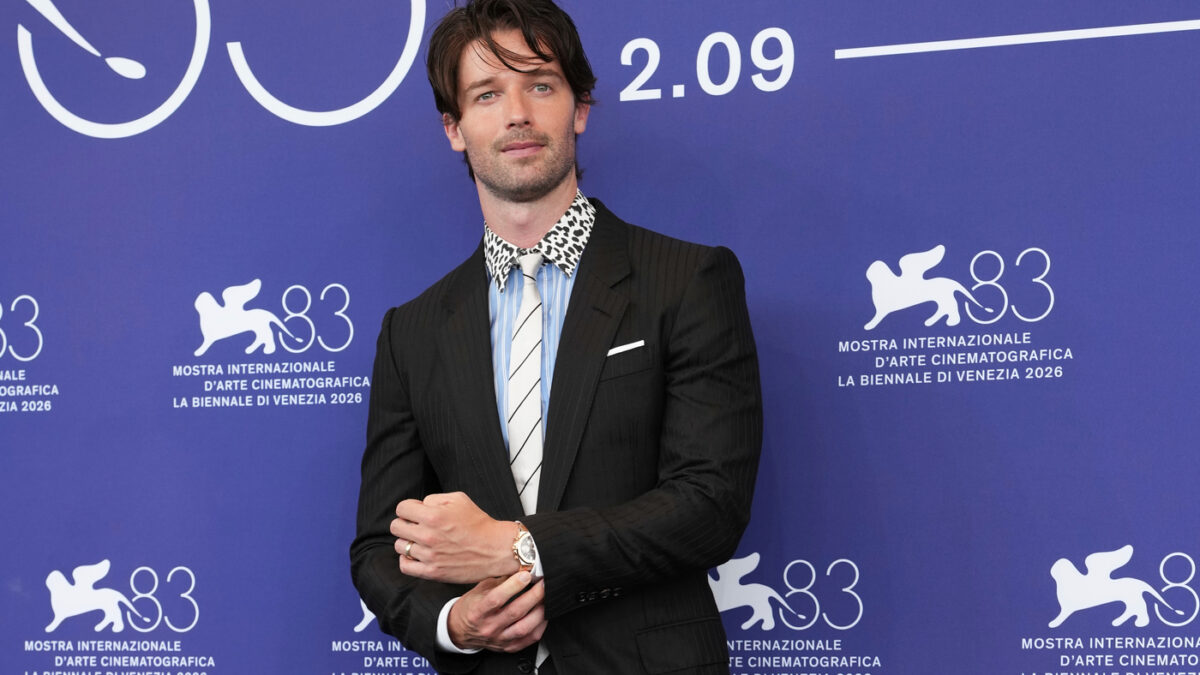
Il Fatto Quotidiano: “Tra cento anni probabilmente saremo tutti morti e caduti nell’oblio. Nessuno si ricorderà di nulla, perché sprechiamo tempo ad occuparcene?”: parla Patrick Schwarzenegger “Tra cento anni probabilmente saremo tutti morti e caduti nell’oblio. Nessuno si ricorderà di ciò che abbiamo comprato o di ciò che possedevamo”. Ne è convinto Patrick Schwarzenegger, il figlio 33enne dell’iconico papà Arnold e di mamma Maria Shriver. Intervistato su Vanity Fair il giovane attore co-protagonista del film Bunker, dove interpreta un tenebroso scrittore statunitense che attira sguardi e voglie di una sensuale Penelope Cruz, ha spiegato l’origine e il significato di un monologo che recita a poco più di metà del film dove si parla di mortalità, tempo che passa e dell’importanza di affrancarsi dallo sguardo degli altri. “Ciò che mi ha colpito è che il film trasmette un messaggio al tempo stesso molto bello, molto profondo e in fin dei conti molto semplice: tra cento anni probabilmente saremo tutti morti e caduti nell’oblio. Nessuno si ricorderà di ciò che abbiamo comprato o di ciò che possedevamo. Le nostre paure saranno scomparse, così come le nostre preoccupazioni legate allo sguardo degli altri. Allora perché dedichiamo così tanto tempo, energia e risorse a preoccuparcene mentre siamo in vita, invece di concentrarci su ciò che abbiamo davvero voglia di fare?”. Un ragionamento che non fa una piega. Al figlio di Schwarzy è stato appunto poi chiesto cosa c’è nel suo futuro prossimo. “Cerco di preparare al meglio i prossimi passi della mia carriera, ma allo stesso tempo voglio godermi il presente. Rifletto sui progetti che mi piacerebbe affrontare in futuro e su come possano distinguersi da quello che ho già fatto. Ho voglia di esplorare qualcosa di nuovo, di insolito. Questo significa inevitabilmente pensare al futuro. Ma cerco anche di restare pienamente nel presente, come godermi questo viaggio a Deauville (l’omonimo festival in cui Bunker è stato presentato dopo l’anteprima mondiale a Venezia ndr)”. L'articolo “Tra cento anni probabilmente saremo tutti morti e caduti nell’oblio. Nessuno si ricorderà di nulla, perché sprechiamo tempo ad occuparcene?”: parla Patrick Schwarzenegger proviene da Il Fatto Quotidiano. In a hundred years we will probably all be dead and forgotten. No one will remember anything, because we waste time worrying about it? – says Patrick Schwarzenegger. One hundred years from now, we will probably all be dead and forgotten. No one will remember what we bought or what we owned. That’s the conviction of Patrick Schwarzenegger, the 33-year-old son of iconic father Arnold and mother Maria Shriver. Interviewed on Vanity Fair, the young actor co-star of the film Bunker, where he plays a dark American writer who attracts the gaze and desires of sensual Penelope Cruz, explained the origin and meaning of a monologue he delivers shortly after halfway through the film, which deals with mortality, the passage of time, and the importance of freeing oneself from the scrutiny of others. “What struck me is that the film transmits a message at once very beautiful, very deep, and ultimately very simple: one hundred years from now, we will probably all be dead and forgotten. No one will remember what we bought or what we owned. Our fears will disappear, as will our concerns about the gaze of others. So why do we spend so much time, energy, and resources worrying about them while we’re alive, instead of focusing on what we truly want to do?” A line of reasoning that doesn't waver. Schwarzy’s son was then asked what’s in his near future. “I’m trying to prepare the best possible steps for my career, but at the same time I want to enjoy the present. I reflect on projects I would like to tackle in the future and how they can distinguish themselves from what I have already done. I feel a desire to explore something new, unusual. This inevitably means thinking about the future. But I also try to remain fully in the present, like enjoying this trip to Deauville (the festival where Bunker was presented after the world premiere in Venice).” The article “One Hundred Years From Now We Will All Be Dead And Forgotten. Nobody Will Remember Anything, Because We Waste Time Worrying About It?”: Patrick Schwarzenegger is from Il Fatto Quotidiano. #Arnold #MariaShriver #VanityFair #Bunker #American #PenelopeCruz #Deauville #Venice #IlFattoQuotidianohttps://www.ilfattoquotidiano.it/2026/09/22/tra-cento-anni-probabilmente-saremo-tutti-morti-e-caduti-nelloblio-nessuno-si-ricordera-di-nulla-perche-sprechiamo-tempo-ad-occuparcene-parla-patrick-schwarzenegger/8514135/
0
0
0
0
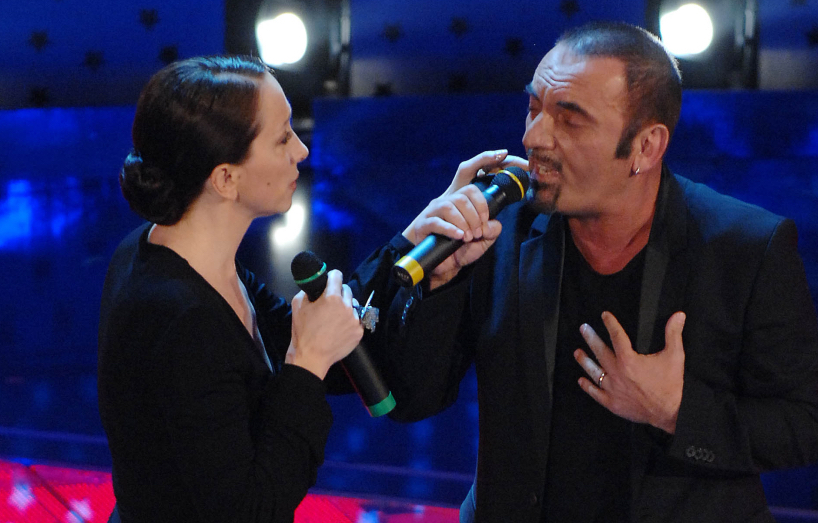
Il Fatto Quotidiano: “Dopo la morte di Mango, la forza l’ho trovata nei miei figli. Forse avrei fatto come le mogli dei faraoni, che venivano seppellite con loro nella piramide”: così Laura Valente “Sono una che cambia idea in continuazione, seguendo l’istinto. Nonostante sia della Vergine: analitica e riflessiva. Sembra una contraddizione, ma negli ultimi anni ho lavorato su me stessa per provare a capirmi meglio”. È un ritratto onesto e lucido quello di Laura Valente a Vanity Fair. La cantante ha lasciato un solco nella musica italiana grazie anche al suo percorso con i Maria Bazar, poi ha incontrato il grande amore con Mango, dal qualche ha avuto due figli Filippo e la già nota Angelina Mango. La musica sembra un lontano ricordo: “Sentivo che cantando riuscivo a emozionare la gente. Comunicavo così. Dopo la morte di Pino e dei miei genitori sono rimasta completamente sola con due figli adolescenti. Ho dovuto imparare a chiedere aiuto. Improvvisamente comunicare le mie emozioni è diventata una necessità, che non potevo più affidare solo alla musica”. Il lutto arriva a soli 51 anni: “Io la forza l’ho trovata nei miei figli. Se non avessi avuto loro, forse avrei fatto come le mogli dei faraoni, che venivano seppellite con loro nella piramide”. Nel 1993 i Maria Bazar entrano nella vita di Laura Valente, dopo l’addio di Antonella Ruggiero: “Non potevo dire di no: ‘Solo tu’ era uno dei primi 45 giri che avevo comprato, li adoravo. Anche se per sostituire Antonella serviva un certo coraggio. Io ne ho. Sono stati 10 anni eccezionali. Sarebbe un sogno poterli rivivere con la leggerezza che ho oggi. La bellezza di lavorare in un gruppo è che non sei mai da solo. In effetti, nella vita, poi, da sola ho fatto ben poco”. Poi l’autocritica: “Se avessi avuto più autostima, avrei gestito le cose in maniera diversa. L’assioma amore-sacrificio ha un po’ stancato. Anche perché in linea di massima ha sempre riguardato le donne”. L'articolo “Dopo la morte di Mango, la forza l’ho trovata nei miei figli. Forse avrei fatto come le mogli dei faraoni, che venivano seppellite con loro nella piramide”: così Laura Valente proviene da Il Fatto Quotidiano. After the death of Mango, I found strength in my children. Perhaps I would have done as the wives of the pharaohs did, being buried with them in the pyramid”: so said Laura Valente. I am someone who constantly changes my mind, following instinct. Despite being a Virgo: analytical and reflective. It seems like a contradiction, but in recent years I’ve worked on myself to try to understand myself better. This is an honest and lucid portrait of Laura Valente for Vanity Fair. The singer left her mark on Italian music thanks also to her experience with the Maria Bazar, then she met her great love with Mango, from whom she had two children, Filippo and the already well-known Angelina Mango. Music seems like a distant memory: “I felt that when I sang, I could move people emotionally. That’s how I communicated. After the deaths of Pino and my parents, I was completely alone with two teenage children. I had to learn to ask for help. Suddenly communicating my emotions became a necessity that I could no longer rely on solely through music.” The loss comes at just 51 years old: “I found my strength in my children. If I hadn’t had them, perhaps I would have done as the wives of the pharaohs did, who were buried with them in the pyramid.” In 1993, the Maria Bazar entered Laura Valente’s life after Antonella Ruggiero’s departure: “I couldn’t say no: ‘Only you’ was one of the first 45-minute records I bought, I adored them. Even though replacing Antonella required a certain courage. I had it. It was an exceptional 10 years. It would be a dream to relive them with the lightness I have today. The beauty of working in a group is that you are never alone. In fact, in life, since being alone I’ve done very little.” Then comes the self-criticism: “If I had more self-esteem, I would have handled things differently. The axiom of love-sacrifice has been a bit tiring. Especially because it has always mostly concerned women.” The quote “After the death of Mango, the strength I found in my children. Perhaps I would have done as the wives of the pharaohs did, who were buried with them in the pyramid” is from Il Fatto Quotidiano by Laura Valente. #Mango #LauraValente #Virgo #VanityFair #Italian #theMariaBazar #Filippo #AngelinaMango #LauraValente’s #AntonellaRuggiero’s #first #Antonella #IlFattoQuotidianohttps://www.ilfattoquotidiano.it/2026/09/09/dopo-la-morte-di-mango-la-forza-lho-trovata-nei-miei-figli-forse-avrei-fatto-come-le-mogli-dei-faraoni-che-venivano-seppellite-con-loro-nella-piramide-cosi-laura-valente/8501503/
0
0
0
0
Il Fatto Quotidiano: “Per l’alopecia ho dovuto interrompere Distretto di Polizia, è stata una bella mazzata. Nel giro di pochi mesi ti ritrovi con un aspetto completamente diverso, è difficile accettarlo”: le confessioni di Francesco Vitiello “L’alopecia avrebbe potuto farmi vacillare, ma sono riuscito a rimettermi in cammino”. Francesco Vitiello si racconta. In una intervista concessa a Vanity Fair il celebre volto di Un posto al sole è tornato a parlare del suo recente disturbo che l’ha allontanato per qualche tempo dai set: “Per l’alopecia ho dovuto interrompere una bellissima esperienza come Distretto di Polizia che probabilmente sarebbe durata ancora un po’: quella è stata una bella mazzata. Però mi rendo conto di essere abbastanza resiliente: sono colpi che avrebbero potuto farmi vacillare e invece sono riuscito a rimettermi in cammino e a ritrovare la mia strada”. Per Vitiello, oggi 44enne, è una confessione a cuore aperto, il superamento di una condizione di disagio dopo molti ostacoli: “Oggi vivo l’alopecia come una mia caratteristica distintiva: mentre prima mi sembrava qualcosa che mi togliesse, adesso penso possa diventare persino una risorsa, anche dal punto di vista dei ruoli che potrei interpretare”. E ancora: un limite che nel suo mettere in crisi si fa automaticamente risorsa per rilanciare: “So che tanti ragazzi e tante ragazze fanno ancora fatica a conviverci e li capisco, perché spesso arriva in maniera dirompente: nel giro di pochi mesi ti ritrovi con un aspetto completamente diverso e serve tempo per accettarlo. Se poi, come nel mio caso, c’è anche un’esposizione televisiva e popolare, può essere ancora più complicato. Però, tutto sommato, l’abbiamo superata serenamente”. L'articolo “Per l’alopecia ho dovuto interrompere Distretto di Polizia, è stata una bella mazzata. Nel giro di pochi mesi ti ritrovi con un aspetto completamente diverso, è difficile accettarlo”: le confessioni di Francesco Vitiello proviene da Il Fatto Quotidiano. “For the alopecia, I had to stop District Police, it was a big blow. Within a few months you find yourself with a completely different appearance; it’s difficult to accept it": the confessions of Francesco Vitiello. Alopecia could have made me falter, but I managed to get back on my feet. Francesco Vitiello recounts his story. In an interview given to Vanity Fair, the famous face of *Un posto al sole* (A Place in the Sun) returned to talk about his recent illness that briefly distanced him from the sets: “Because of the alopecia, I had to interrupt a beautiful experience as *Distretto di Polizia* (Police District) which would likely have continued for some time: that was a big blow. However, I realize I am quite resilient; these are blows that could have made me falter, but I managed to get back on my feet and find my way again.” For Vitiello, now 44 years old, it’s an open-hearted confession, overcoming a state of discomfort after many obstacles: “Today I live with alopecia as a distinctive characteristic; while before it seemed like something that was taking away from me, now I think it could even become a resource, especially in terms of the roles I could play.” And he continues: “A limit that automatically becomes a resource for relaunching when it throws you into crisis: ‘I know that many young people and girls are still struggling with it and I understand them, because often it arrives disruptively: within a few months you find yourself with a completely different appearance and it takes time to accept it. If, as in my case, there is also a television and popular exposure, it can be even more complicated. However, overall, we overcame it calmly.’” The article “Because of the alopecia I had to interrupt *Distretto di Polizia*, it was a big blow; within a few months you find yourself with a completely different appearance, it's difficult to accept” comes from Il Fatto Quotidiano. #DistrictPolice #FrancescoVitiello #VanityFair #DistrettodiPolizia* #Today #IlFattoQuotidianohttps://www.ilfattoquotidiano.it/2026/07/23/per-lalopecia-ho-dovuto-interrompere-distretto-di-polizia-e-stata-una-bella-mazzata-nel-giro-di-pochi-mesi-ti-ritrovi-con-un-aspetto-completamente-diverso-e-difficile-accettarlo-le-co/8456655/
0
0
0
0
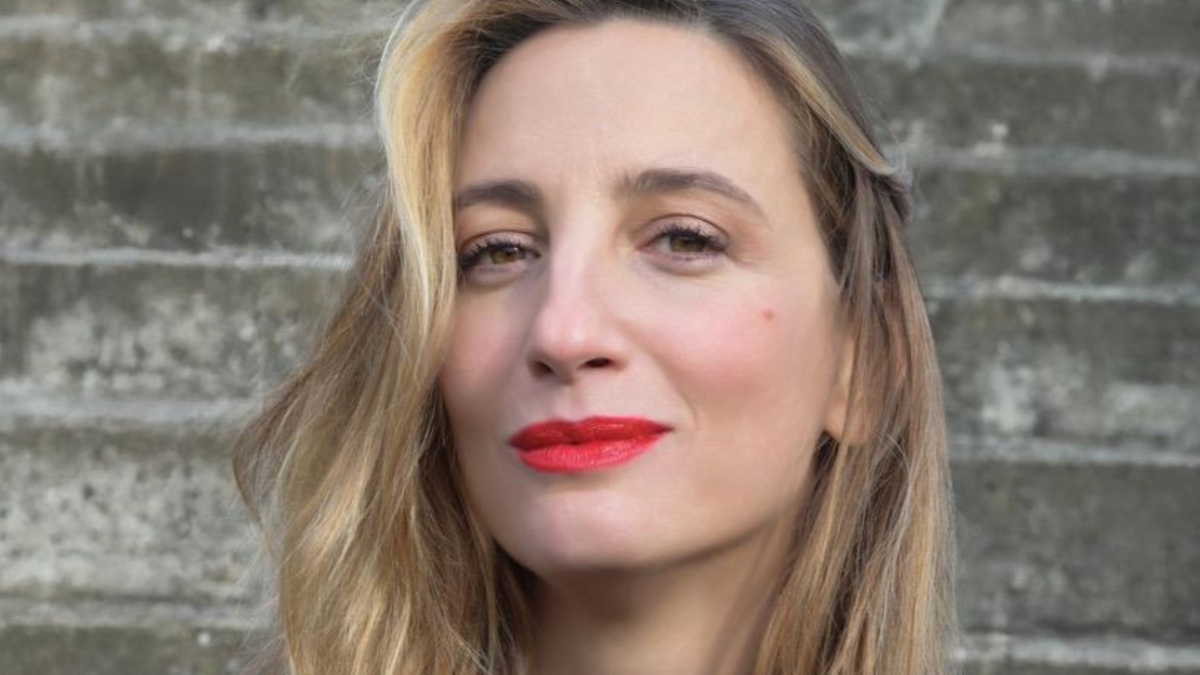
Il Fatto Quotidiano: “Distretto di Polizia? Una macchina che un po’ di triturava. Non avevo una vita, è stata un’esperienza fortissima”: il racconto di Francesca Inaudi Dal film di Dario Germani ora al cinema, Il mondo oltre, di cui è protagonista, alle serie Sky con cui sta per tornare, Il sospetto, un thriller con Claudia Pandolfi e Alessandro Gassmann e Quelli della Mala, Francesca Inaudi vive un momento professionalmente intenso e ha rilasciato nei giorni scorsi una lunga intervista a Vanity Fair. A proposito di serie tv, quella che l’ha portata “nella perdizione” è stata Lost. Oggi, quando guarda una fiction, si definisce “bulimica. Faccio binge-watching, mi guardo tutte le puntate una di seguito all’altra. Almeno ci provo e se capitano un paio di giorni liberi mi faccio delle gran scorpacciate. Ho un bimbo piccolo, quindi il tempo ha disposizione non è tantissimo”. L'articolo “Distretto di Polizia? Una macchina che un po’ di triturava. Non avevo una vita, è stata un’esperienza fortissima”: il racconto di Francesca Inaudi proviene da Il Fatto Quotidiano. Police District? A car that was a bit wrecked. I didn't have a life, it was an incredibly intense experience”: the account of Francesca Inaudi. From the film by Dario Germani now in cinemas, *Il mondo oltre*, where she stars, to the Sky series she is about to return to, *Il sospetto* (a thriller with Claudia Pandolfi and Alessandro Gassmann) and *Quelli della Mala*, Francesca Inaudi is experiencing a particularly intense professional moment and recently gave a long interview to Vanity Fair. Regarding TV series, it was *Lost* that “led her into ruin.” Today, when she watches a fiction, she defines herself as “bulimic. I do binge-watching, watching all the episodes one after another. At least I try, and if a couple of days off happen, I indulge in massive feasts. I have a small child, so I don't have much time available.” The article "Police District? A machine that chipped away at things a little. I didn’t have a life; it was a very intense experience” comes from *Il Fatto Quotidiano*, and is the account of Francesca Inaudi. #FrancescaInaudi #DarioGermani #ClaudiaPandolfi #AlessandroGassmann #VanityFairhttps://www.ilfattoquotidiano.it/2026/07/20/distretto-di-polizia-una-macchina-che-un-po-di-triturava-non-avevo-una-vita-e-stata-unesperienza-fortissima-il-racconto-di-francesca-inaudi/8453463/
0
0
0
0
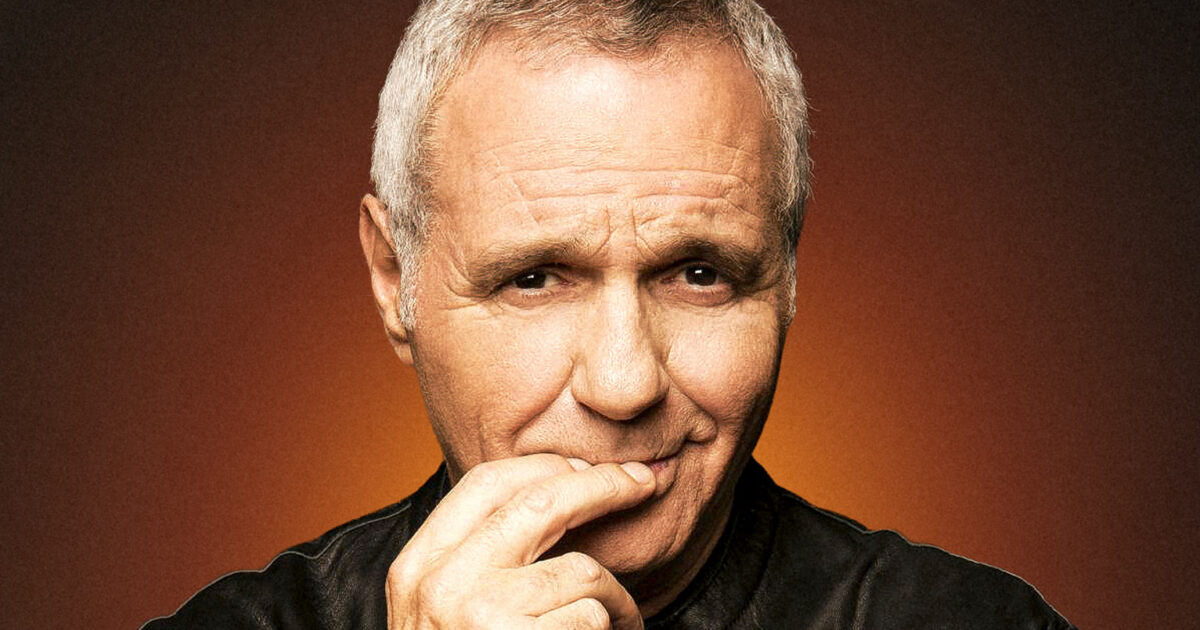
Il Fatto Quotidiano: “Raccontare la morte di mio fratello Franco può aiutare altri che vivono la mia stessa esperienza. Da queste cose si può uscire. La mia Versilia? Dovrebbero mettere i nomi delle strade anche in russo”: così Panariello “Di cosa vuoi parlare del presente? Non puoi portare la gente in un teatro e raccontarle cose che è costretta a subire tutti i giorni“: parole che Giorgio Panariello dice a Vanity Fair e che danno subito un’idea del perché il suo spettacolo teatrale di grande successo si chiami E se domani. “L’idea è stata quella di parlare del futuro – continua l’attore – di andare oltre questo presente e vedere quali idee e quali stimoli potesse offrirci per scrivere qualcosa. Devo dire che ne abbiamo trovati tanti ed è stato molto divertente immaginarli”. Tra i tanti temi affrontati nello spettacolo l’uso dell’Intelligenza Artificiale che, secondo Panariello, mostra ancora limiti evidenti, almeno sul campo della comicità: “Per esempio ho scritto: ‘Fammi qualche battuta sui vigili urbani’. L’intelligenza artificiale, almeno per ora, scrive delle sciocchezze, perché non è ancora perfetta: pesca in modo casuale tra gli argomenti affrontati da vari comici. Così rischi di fare una battuta che magari è di Brignano e quello si arrabbia pure. Ma soprattutto manca il gusto. Non ci sono i tempi, non ci sono le parole giuste. La comicità è fatta anche di sguardi e di silenzi: basta una pausa fatta bene per essere molto divertente. Per questo non credo che sia pane per i nostri denti”. L'articolo “Raccontare la morte di mio fratello Franco può aiutare altri che vivono la mia stessa esperienza. Da queste cose si può uscire. La mia Versilia? Dovrebbero mettere i nomi delle strade anche in russo”: così Panariello proviene da Il Fatto Quotidiano. Telling about the death of my brother Franco can help others who are living through my same experience. You can get out of things like this. My Versilia? They should put street names on them even in Russian”: so Panariello. “What do you want to talk about today? You can’t take people to a theater and tell them things they are forced to endure every day.”: words that Giorgio Panariello says to Vanity Fair and which immediately give an idea of why his hugely successful theatrical show is called “And If Tomorrow.” “The idea was to talk about the future – continues the actor – to go beyond this present and see what ideas and stimuli it could offer us for writing something. I must say we found many of them, and it was very fun to imagine them.” Among the many themes addressed in the show is the use of Artificial Intelligence, which, according to Panariello, still shows obvious limitations, at least in the field of comedy: “For example, I wrote: ‘Make me some jokes about municipal police officers.’ Artificial intelligence, for now, writes nonsense because it’s not yet perfect: it randomly fishes among the topics addressed by various comedians. So you risk making a joke that might be by Brignano and he gets angry too. But above all, there’s a lack of taste. There aren’t the timing, there aren't the right words. Comedy is also made of glances and silences: a well-made pause can be very funny. That’s why I don’t think it’s something we can easily handle.” The article comes from Il Fatto Quotidiano: “Talking about the death of my brother Franco can help others who are living my same experience. You can get out of these things. My Versilia? They should name the streets in Russian too”: so says Panariello. #Franco #Versilia #Russian #Panariello #GiorgioPanariello #VanityFair #Brignano #IlFattoQuotidianohttps://www.ilfattoquotidiano.it/2026/07/13/raccontare-la-morte-di-mio-fratello-franco-puo-aiutare-altri-che-vivono-la-mia-stessa-esperienza-da-queste-cose-si-puo-uscire-la-mia-versilia-russa-parla-panariello/8447091/
0
0
0
0
Replying to
@mattblaze@federate.social @SteveBellovin@infosec.exchange RE #sanctioned #venezuela#SusiWiles spilled this tidbit... with #VanityFair “He wants to keep on blowing boats up until 😭#Maduro cries uncle,” Wiles told Vanity Fair’s ⭕️Chris Whipple “And people way smarter than me on that say that he will.” What does crying “uncle” entail? That verbiage offers itself more to a U.S. backed 🌎coup rather than the new war on drugs that the administration claims (without proof) to be fighting. @sleet01@fosstodon.org Thx 4 orig Steve boost
0
0
0
0
You've seen all posts