Elektrine
Log in Register
Paige Chat Timeline Gallery Friends Email Drive DNS Private DNS Domains VPN Kairo Nerve
Remote

Michael Geist

@mgeist@mas.to
mastodon 4.7.2
  • Open on mas.to

Law Professor & Canada Research Chair in Internet and E-commerce Law
University of Ottawa
michaelgeist.ca | Twitter: @mgeist@mas.to @lawbytespod

3711 Followers
110 Following
48 Posts
Joined November 05, 2022
Web:
https://www.michaelgeist.ca
Twitter:
https://twitter.com/mgeist
Podcast:
https://lawbytes.castos.com/podcasts/1553/episodes
Substack:
https://mgeist.substack.com/
Open post
Michael Geist @mgeist@mas.to
· 3w ago

In 1926, McGill's arts dean urged quotas on Jewish students, writing "the Jewish people are of no use to us in this country." My Hub op-ed on how in 2026, rather than keeping Jewish students out through restrictive admissions, campus harassment and discrimination risk pushing them out.
https://thehub.ca/2026/09/14/a-century-after-keeping-jewish-students-out-canadas-universities-are-letting-them-be-pushed-out/

A century after keeping Jewish students out, Canada’s universities are letting them be pushed out
The Hub

A century after keeping Jewish students out, Canada’s universities are letting them be pushed out

Canadian universities once used quotas to keep Jewish students out. Now, argues Michael Geist, inaction is pushing them out again — just through different means.

4
0
5
0
Open post
Michael Geist @mgeist@mas.to
· 2mo ago
Is the government’s planned social media ban constitutional? Given that its implementation plans will require millions to age verify before any privacy safeguards or exemptions are established, I make the case that a court will grant a stay blocking it. https://www.michaelgeist.ca/2026/07/why-the-governments-plan-for-a-social-media-ban-in-bill-c-34-is-unconstitutional/
Why the Government’s Plan for a Social Media Ban in Bill C-34 Is Unconstitutional - Michael Geist
Michael Geist

Why the Government’s Plan for a Social Media Ban in Bill C-34 Is Unconstitutional - Michael Geist

he debate over the government's proposed social media ban for under 16s has raised several difficult questions, including doubts about whether it will work, which services it will cover, and what risks to privacy mandating age verification could create. But beyond the operational questions is a more fundamental one: is the ban constitutional? Bill C-34 contains some signals that the government knows there are serious constitutional vulnerabilities, given the obvious implications for freedom of e

35
3
38
1
Open post
Michael Geist @mgeist@mas.to
· 1mo ago

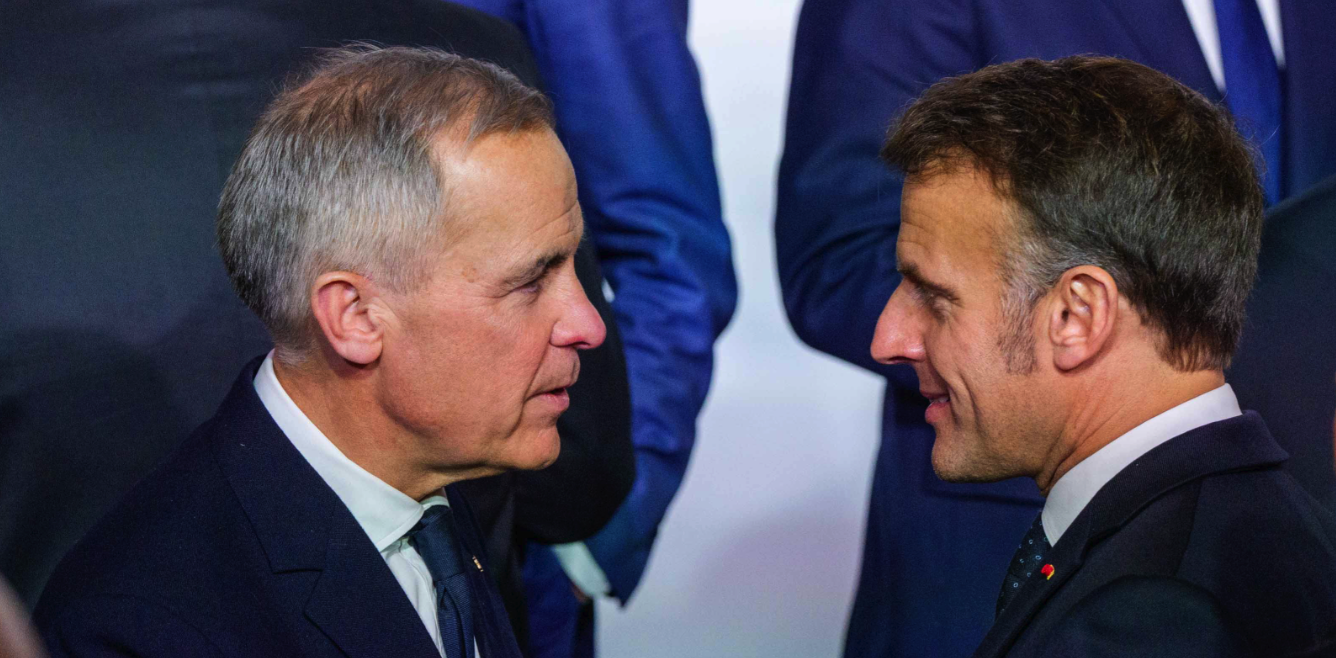
French President Macron congratulated Canada for "joining the movement" when Bill C-34's social media ban was introduced. Last week, France's Constitutional Council ruled that its ban is unconstitutional on privacy and freedom of expression grounds. Bill C-34 has the same vulnerabilities.
https://www.michaelgeist.ca/2026/08/thanks-for-joining-the-movement-french-constitutional-council-strikes-down-kids-social-media-ban/

Thanks For Joining the Movement: French Constitutional Council Strikes Down Kids’ Social Media Ban - Michael Geist
Michael Geist

Thanks For Joining the Movement: French Constitutional Council Strikes Down Kids’ Social Media Ban - Michael Geist

French President Emmanuel Macron has been the global leader in promoting a ban on social media for kids, consistently welcoming countries that propose such measures with a “thanks for joining the movement” tweet. That includes Canada, which received its congratulatory tweet after a ban was included in Bill C-34. As I argued last month, however, I believe the Canadian ban is vulnerable to constitutional challenge on at least two fronts: freedom of expression, since blocking an entire cohort of Ca

14
0
15
0
Open post
Michael Geist @mgeist@mas.to
· 1mo ago

Digital sovereignty means Canadian rules apply in Canada. On Lake Ontario, Google and Apple Maps did exactly that: Canadians see Canada's official name. Demanding it defy the U.S. invites platforms to pick whose rules to follow, and the next pick may not be ours.
https://www.michaelgeist.ca/2026/09/be-careful-what-you-wish-for-why-asking-google-maps-to-defy-the-u-s-on-lake-ontario-would-undermine-canadian-digital-sovereignty/

Be Careful What You Wish For: Why Asking Google Maps to Defy the U.S. on Lake Ontario Would Undermine Canadian Digital Sovereignty - Michael Geist
Michael Geist

Be Careful What You Wish For: Why Asking Google Maps to Defy the U.S. on Lake Ontario Would Undermine Canadian Digital Sovereignty - Michael Geist

I woke up early on Monday morning for 14 interviews focused on digital sovereignty on CBC Radio stations across the country (here’s the Manitoba version). Most opened the discussion by asking what digital sovereignty means. My answer was that it is about choice: the ability of Canadians to choose the digital services they use and the ability to ensure that Canadian law applies to those services here. Several hosts then cited the emerging Google Maps controversy, in which U.S. users now see “Lake

6
1
12
2
Open post
Michael Geist @mgeist@mas.to
· 2w ago

This week's A Canary's Song antisemitism conference was exceptional: Lipstadt, Lyons, Cotler and more, worth watching in full. My talk focused on online antisemitism, platforms' failure to enforce their own policies, and Bill C-34.
https://www.michaelgeist.ca/2026/09/a-canarys-song-what-antisemitism-reveals-about-the-health-of-canadian-democracy/
https://www.youtube.com/watch?v=7Vz4qUnnAlU

A Canary's Song: What Antisemitism Reveals About the Health of Canadian Democracy - Michael Geist
Michael Geist

A Canary's Song: What Antisemitism Reveals About the Health of Canadian Democracy - Michael Geist

Peter Biro’s A Canary’s Song: Antisemitism in Our “Free and Democratic Society” conference was held earlier this week at the University of Toronto Conference Centre as the University stepped up after Massey College demanded that it vet the conference Biro had proposed, organized, and committed to fund. Biro resigned his senior fellowship rather than accept the demands, which led to national media coverage and well-deserved criticism of the college. I was honoured to participate in the exceptiona

2
0
4
0
Open post
Michael Geist @mgeist@mas.to
· 1mo ago

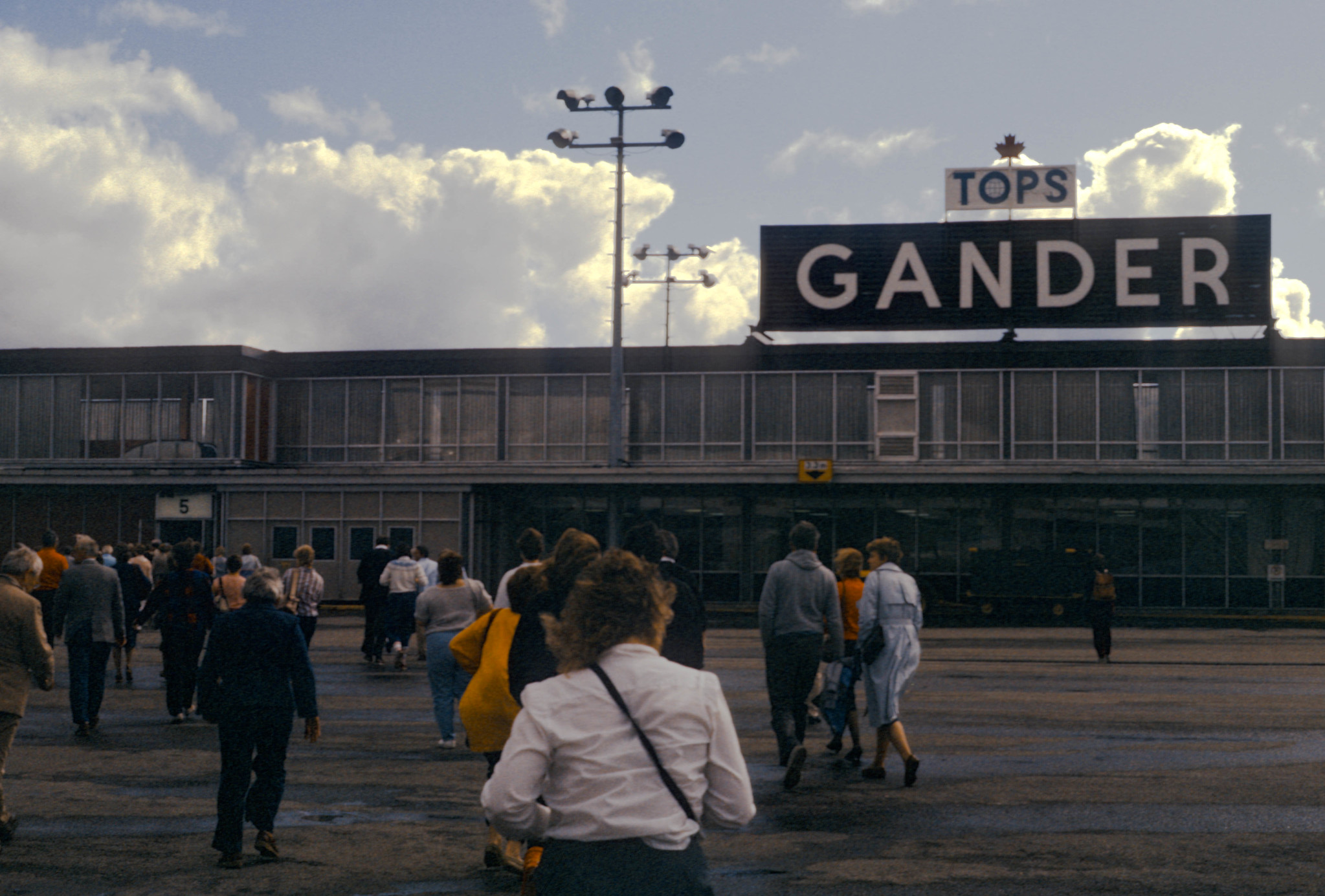
Everyone talks about digital sovereignty, but what does it actually take to build a sovereign social network? Gander Social is trying with data in Canadian control and homegrown identity systems. Gander CEO Ben Waldman joins this week's Law Bytes podcast to discuss.
https://www.michaelgeist.ca/2026/08/the-law-bytes-podcast-episode-278-ben-waldman-on-gander-social-and-the-challenges-of-building-a-sovereign-social-network/

The Law Bytes Podcast, Episode 278: Ben Waldman on Gander Social and the Challenges of Building a Sovereign Social Network - Michael Geist
Michael Geist

The Law Bytes Podcast, Episode 278: Ben Waldman on Gander Social and the Challenges of Building a Sovereign Social Network - Michael Geist

Sovereignty, whether digital sovereignty, data sovereignty, or AI sovereignty, has been the hot-button issue in Canada for months. Governments have shifted policies in hopes of addressing the issue, the public has expressed interest in Canadian alternatives, and the business community has rushed to meet that interest. But what does it actually take to create a true, sovereign alternative? We now have a live experiment with Gander, a new social network that looks a bit like X or BlueSky, but with

8
1
7
0
Open post
Michael Geist @mgeist@mas.to
· 1mo ago

What does "digital trade alignment" in the Canada-U.S. deal mean? Canada has already conceded on DST and streaming payments. Reversing on news links likely. But what about limits on data governance? C-22 encryption? C-34 age verification? Access to frontier AI?
https://www.michaelgeist.ca/2026/08/digital-trade-alignment-what-may-be-in-play-in-the-canada-u-s-trade-deal/

Digital Trade Alignment: What May Be in Play in the Canada-U.S. Trade Deal - Michael Geist
Michael Geist

Digital Trade Alignment: What May Be in Play in the Canada-U.S. Trade Deal - Michael Geist

Less than two hours before new U.S. tariffs on Canada were set to take effect, U.S. President Trump last night announced a three-day pause, claiming there is a deal “subject to the finalization of documents.” Prime Minister Carney released a statement saying that substantial progress had been made, without offering much detail. But a congratulatory tweet from the U.S. Trade Representative offered one clue with significant implications for Canadian digital policy: the deal will include “digital t

5
0
8
0
Open post
Michael Geist @mgeist@mas.to
· 1mo ago

What does the US$17B Meta settlement mean for Canada and Bill C-34? My post identifies three issues:
1️⃣social media design regulation via the bill or litigation
2️⃣age verification with its error and sovereignty risks
3️⃣privacy treated as an afterthought
https://www.michaelgeist.ca/2026/08/big-money-bigger-design-changes-what-the-meta-settlement-means-for-canada-bill-c-34-and-the-age-verification-and-privacy-risks-that-remain/

Big Money, Bigger Design Changes: What the Meta Settlement Means for Canada, Bill C-34, and the Age Verification and Privacy Risks That Remain - Michael Geist
Michael Geist

Big Money, Bigger Design Changes: What the Meta Settlement Means for Canada, Bill C-34, and the Age Verification and Privacy Risks That Remain - Michael Geist

The proposed settlement between Meta and 51 U.S. state attorneys general, filed last week and still subject to court approval, ranks among the biggest developments in technology litigation in years, featuring both big money and big design changes. The settlement is limited to the participating states, but it is likely to have significant implications for Canadian users and for legislative initiatives such as Bill C-34. Whether Meta extends the measures voluntarily, in response to similar Canadia

3
0
3
0
Open post
Michael Geist @mgeist@mas.to
· 2mo ago
The government's Online Streaming Act court filing confirms what it wouldn't say publicly: not just the CRTC's 15% decision but the 5% base contribution is being eliminated, with taxpayers on the hook for $600M to cover the costs. A full reset is coming. https://www.michaelgeist.ca/2026/07/starting-over-court-filing-confirms-the-crtcs-streamer-contribution-decisions-are-dead-with-a-full-online-streaming-act-reset-to-come/
Starting Over: Court Filing Confirms the CRTC’s Streamer Contribution Decisions Are Dead With a Full Online Streaming Act Reset to Come - Michael Geist
Michael Geist

Starting Over: Court Filing Confirms the CRTC’s Streamer Contribution Decisions Are Dead With a Full Online Streaming Act Reset to Come - Michael Geist

When the government announced plans last month to kill the CRTC’s Online Streaming Act ruling, it left a critical question unanswered: was the target only the Commission’s decision to increase streamer contributions to 15 percent, or did the reversal extend to the original base contribution decision requiring foreign streamers to contribute five percent of their Canadian revenues? A new court filing confirms it is both. In a letter to the Federal Court of Appeal dated July 17, 2026, first report

8
0
15
1
Open post
Michael Geist @mgeist@mas.to
· 1mo ago

The CASE report has the most comprehensive data on Canada's campus antisemitism crisis: 95.7% of Jewish students experienced or witnessed it, 72% self-censor in class, 25% consider dropping out. A week after release, the response has been denial, hate, and silence.
https://www.michaelgeist.ca/2026/08/denial-hate-and-silence-the-three-responses-to-overwhelming-evidence-of-canadas-campus-antisemitism-crisis/

Denial, Hate, and Silence: The Three Responses to Overwhelming Evidence of Canada’s Campus Antisemitism Crisis - Michael Geist
Michael Geist

Denial, Hate, and Silence: The Three Responses to Overwhelming Evidence of Canada’s Campus Antisemitism Crisis - Michael Geist

One week ago, the release of the Campus Antisemitism and Student Experiences (CASE) report provided the most comprehensive national data to date on antisemitism on Canadian university campuses. As I wrote in my post on it, there is a crisis: of the more than 900 Jewish students surveyed, 95.7% experienced or witnessed antisemitism over the previous year, 72% limit what they say in class, 57% avoid wearing Jewish symbols, and roughly one-quarter have considered dropping out. That data is in addit

4
0
4
0
Open post
Michael Geist @mgeist@mas.to
· 3w ago

Rosh Hashanah begins tonight, 25 years after 9/11 and nearly three years since October 7. After 9/11, three principles took hold: name terrorism, reject collective blame, address harm without sacrificing rights. All three have gone missing since October 7.
https://www.michaelgeist.ca/2026/09/the-lessons-of-9-11-we-forgot-after-october-7th/

The Lessons of 9/11 We Forgot After October 7th - Michael Geist
Michael Geist

The Lessons of 9/11 We Forgot After October 7th - Michael Geist

Rosh Hashanah, the Jewish New Year, begins at sundown tonight. This year, it falls at the same time as the 25th anniversary of the September 11th attacks and weeks before the third anniversary of the October 7th attacks, offering an opportunity for reflection that extends beyond the past year. I’ve written about when I first learned about the Hamas terror attacks on October 7th, but not about 9/11. On September 11, 2001, I was working at my desk at home when messages about a plane hitting the W

1
0
6
0
Open post
Michael Geist @mgeist@mas.to
· 5mo ago

The government says it has no choice but to act on a ban on social media and AI chatbots for kids. My post argues that there is a choice. Reject harmful age-gating policies that sacrifice privacy and increase surveillance, and get on with effective AI regulation.
https://www.michaelgeist.ca/2026/05/government-has-a-choice-why-an-ai-chatbot-ban-for-kids-is-an-even-worse-idea-than-a-social-media-ban/

Government Has a Choice: Why an AI Chatbot Ban for Kids is an Even Worse Idea Than a Social Media Ban - Michael Geist
Michael Geist

Government Has a Choice: Why an AI Chatbot Ban for Kids is an Even Worse Idea Than a Social Media Ban - Michael Geist

The frenzy to ban kids from social media continues to grow with Culture Minister Marc Miller telling a House of Commons committee that the government has no choice but to act. Miller's comments are consistent with the federal Liberal policy convention vote backing a minimum age of 16 and Manitoba Premier Wab Kinew announcing that his government will be the first in Canada to ban kids from both social media and AI chatbots. The problem, as I documented in detail last week, is that good intentions

21
4
26
0
Open post
Michael Geist @mgeist@mas.to
· 1mo ago

For all the talk of red lines on cultural sovereignty, Quebec’s streaming law at the centre of the Canada-US trade battle faces a future court challenge with Ottawa almost surely backing the streamers. My post on Bill 109 and the coming constitutional battle.
https://www.michaelgeist.ca/2026/08/why-ottawa-will-likely-join-the-u-s-in-opposing-the-quebec-online-streaming-law-at-the-centre-of-the-trade-battle/

Why Ottawa Will Likely Join the U.S. in Opposing the Quebec Online Streaming Law at the Centre of the Trade Battle - Michael Geist
Michael Geist

Why Ottawa Will Likely Join the U.S. in Opposing the Quebec Online Streaming Law at the Centre of the Trade Battle - Michael Geist

French language policy has emerged as a hot-button issue in the breakdown of trade talks between Canada and the U.S. While the U.S. has denied that French is a concern, Prime Minister Mark Carney pointed to U.S. demands involving culture and the French language in his weekend press conference and Canada’s Ambassador to the U.S. Mark Wiseman confirmed that the dispute included the levels of French-language content on U.S.-based streaming services. My post this week speculated that U.S. objections

2
0
3
0
Open post
Michael Geist @mgeist@mas.to
· 2mo ago
The government presumably hoped that pushing Bill C-22 through a Commons committee past midnight without debate would put an end to the lawful access controversy. That plan has backfired, leading to a political and trade backlash that could have been avoided. https://www.michaelgeist.ca/2026/07/rushing-lawful-access-backfires-wyden-letter-on-bill-c-22-highlights-political-trade-and-business-risks
michaelgeist.ca
6
0
9
0
Open post
Michael Geist @mgeist@mas.to
· 2mo ago

Kiva's generation rebuilt their lives on the promise that Canada was different. Canadian Jews increasingly fear it no longer is. The violence only stops when antisemitism stops being a hatred too many have decided they can live with, ignore, or explain away.
https://www.michaelgeist.ca/2026/07/the-name-on-the-window-was-enough-the-attacks-on-kivas-and-the-normalization-of-antisemitic-violence-in-canada/

The Name on the Window Was Enough: The Attacks on Kiva’s and the Normalization of Antisemitic Violence in Canada - Michael Geist
Michael Geist

The Name on the Window Was Enough: The Attacks on Kiva’s and the Normalization of Antisemitic Violence in Canada - Michael Geist

Kiva’s, the well-known Toronto Jewish bakery, was struck by gunfire and smashed windows in two locations over the weekend. This one is personal as Kiva was my grandmother’s cousin. Both were Holocaust survivors who rebuilt their lives in Toronto, and though he sold the business years ago, the owners have kept his name on the window ever since. Whoever fired at that window almost certainly knew none of this, since for those responsible the Jewish name on the storefront was evidently reason enough

5
0
3
0
Open post
Michael Geist @mgeist@mas.to
· 5mo ago

Ontario's Ford government just completed the most significant reform to its access to information regime in decades. It did so retroactively to 1988, without a single public hearing or meaningful debate, and despite explicit objections from the province's Information and Privacy Commissioner. Bill 97, buried in an omnibus bill, passed within weeks of tabling. Justin Safayeni joins my Law Bytes podcast to explain what happened and why it matters.
https://www.michaelgeist.ca/2026/04/the-law-bytes-podcast-episode-266-justin-safayeni-on-the-ontario-governments-overnight-evisceration-of-access-to-information/

The Law Bytes Podcast, Episode 266: Justin Safayeni on the Ontario Government's Overnight Evisceration of Access to Information - Michael Geist
Michael Geist

The Law Bytes Podcast, Episode 266: Justin Safayeni on the Ontario Government's Overnight Evisceration of Access to Information - Michael Geist

Just over a month ago, the Ford government tabled Bill 97, an omnibus bill with provisions fundamentally restructuring Ontario's access to information system. Information and Privacy Commissioner Patricia Kosseim responded with alarm, but the government rushed ahead with no hearings or public debate. The most significant rewrite of Ontario's access to information regime in nearly forty years became law within weeks. Justin Safayeni, a partner at Stockwoods LLP in Toronto, is one of Canada's lead

22
2
27
0
Open post
Michael Geist @mgeist@mas.to
· 2mo ago
Successive governments have promised to fix Canada’s failing access-to-information law. But Canada’s Information Commissioner Caroline Maynard says the latest plans “lack ambition” and she worries about further secrecy. She joins my Law Bytes podcast this week to discuss. https://www.michaelgeist.ca/2026/07/the-law-bytes-podcast-episode-276-information-commissioner-caroline-maynard-on-canadas-access-to-information-failures-and-why-access-delayed-is-access-denied/
The Law Bytes Podcast, Episode 276: Information Commissioner Caroline Maynard on Canada’s Access to Information Failures and Why Access Delayed is Access Denied - Michael Geist
Michael Geist

The Law Bytes Podcast, Episode 276: Information Commissioner Caroline Maynard on Canada’s Access to Information Failures and Why Access Delayed is Access Denied - Michael Geist

Despite repeated studies and promises for reform, Canada’s access to information system has long been plagued by long delays, overbroad exclusions, insufficient resources, and an Information Commissioner without the resources and powers needed to fully ensure compliance. The government is currently undertaking yet another reform process as the Treasury Board has released proposed changes. They’ve left Caroline Maynard, Canada’s Information Commissioner, largely unimpressed. She is relieved the g

6
0
5
0
Open post
Michael Geist @mgeist@mas.to
· 1mo ago

How to square a deal ending the DST, streamer payments, and the Online News Act with the claim that culture was never on the table? The government has redrawn cultural policy: mandated payments are tradeable, but the sovereign power to regulate culture is not.
https://www.michaelgeist.ca/2026/08/culture-off-the-table-what-the-collapsed-canada-u-s-trade-talks-reveal-about-the-carney-governments-cultural-policy/

Culture Off the Table? What the Collapsed Canada-U.S. Trade Talks Reveal About the Carney Government's Cultural Policy - Michael Geist
Michael Geist

Culture Off the Table? What the Collapsed Canada-U.S. Trade Talks Reveal About the Carney Government's Cultural Policy - Michael Geist

The Canada-U.S. trade talks collapsed on Friday night with 50 percent tariffs on billions of dollars in Canadian goods now in effect and Prime Minister Mark Carney promising dollar-for-dollar retaliation by early next month, supported by a strong sense of the need to defend Canadian sovereignty. The push for “digital trade alignment”, which I unpacked in a post last week, does not appear to have been a major source of contention, though Carney pointed to late U.S. demands on culture, autos, and

2
0
5
0
Open post
Michael Geist @mgeist@mas.to
· 6mo ago

My Globe op-ed on the U.S.’s two-pronged strategy over data. First, leverage the CLOUD Act to assert jurisdiction over data wherever it is stored. Second, treat responses that involve data localization rules or sovereign AI initiatives as a trade barrier.
https://www.theglobeandmail.com/business/commentary/article-the-us-isnt-happy-about-canadas-quest-for-digital-sovereignty/

Opinion: The U.S. isn’t happy about Canada’s quest for digital sovereignty
The Globe and Mail

Opinion: The U.S. isn’t happy about Canada’s quest for digital sovereignty

Countries are converging on laws that grant them greater control over where their data lives and who has access

23
0
20
0
Open post
Michael Geist @mgeist@mas.to
· 1mo ago

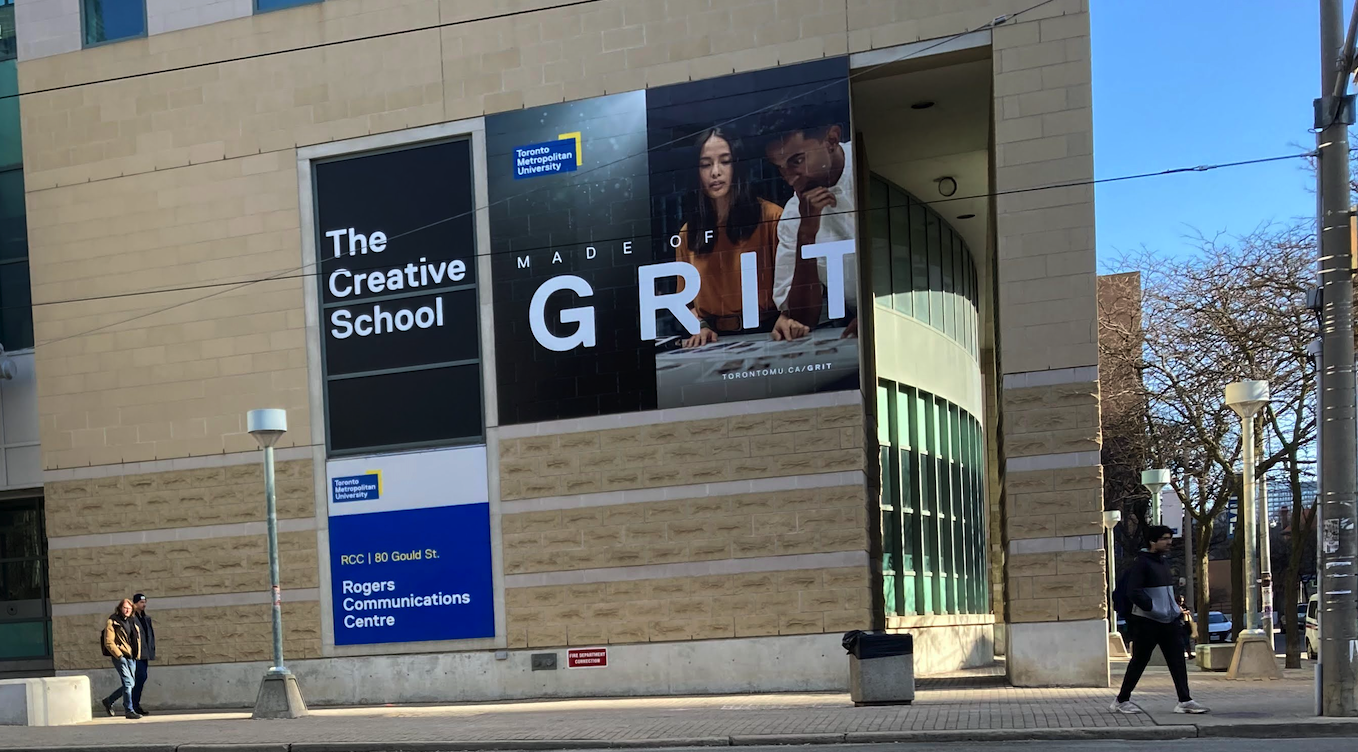
The Benotto report on TMU finds red inverted triangles over Jewish student photos, Holocaust minimization, and Shabbat dinners requiring security assessments. Yet TMU’s response is to sideline recommendations with no urgency to address campus antisemitism.
https://www.michaelgeist.ca/2026/08/tmuantisemitism/

TMU Picks Damage Control Over Fixing the Damage: Behind Its Shameful Response to the Devastating Benotto Report on Campus Antisemitism - Michael Geist
Michael Geist

TMU Picks Damage Control Over Fixing the Damage: Behind Its Shameful Response to the Devastating Benotto Report on Campus Antisemitism - Michael Geist

Last fall, two incidents at Toronto Metropolitan University attracted national attention: the September 2025 disruption by the group Students for Justice in Palestine at TMU of a Democracy Forum event featuring federal AI minister Evan Solomon that ended in an arrest, and the November 2025 storming of an off-campus event hosted by Students Supporting Israel that left the speaker hospitalized. TMU responded to mounting concern by retaining retired Ontario Court of Appeal justice Mary Lou Benotto

2
0
2
0
Open post
Michael Geist @mgeist@mas.to
· 4mo ago

Bill C-22 has gone off the rails. My post explains how the government scrapped one bad lawful access provision, but created a two-headed monster of mandatory metadata retention and a technical capability mandate that could apply to all digital providers.
https://www.michaelgeist.ca/2026/05/the-lawful-access-two-headed-surveillance-monster-how-bill-c-22-went-off-the-rails/

The Lawful Access Two-Headed Surveillance Monster: How Bill C-22 Went Off the Rails - Michael Geist
Michael Geist

The Lawful Access Two-Headed Surveillance Monster: How Bill C-22 Went Off the Rails - Michael Geist

The government’s plans for lawful access have gone off the rails. In recent days, Signal has warned it would pull out of the Canadian market rather than comply with Bill C-22. Windscribe, the Toronto-headquartered VPN provider, has said it would relocate its headquarters out of Canada and NordVPN has warned it would consider following suit. Apple and Meta have both raised public concerns about the bill’s effect on encryption and cybersecurity. The Canadian Chamber of Commerce, the Cybersecurity

11
7
16
0
Open post
Michael Geist @mgeist@mas.to
· 4mo ago

The government's new video claims lawful access "respects Canadian privacy and Charter rights." But it avoids four Bill C-22 concerns critics keep raising: metadata retention, a lower subscriber info threshold, encryption risks, and incomplete oversight.
https://www.michaelgeist.ca/2026/05/slick-videos-wont-save-lawful-access-why-the-governments-bill-c-22-defence-avoids-the-charter-privacy-and-security-concerns-raised-by-critics/

Slick Videos Won't Save Lawful Access: Why The Government's Bill C-22 Defence Avoids the Charter, Privacy and Security Concerns Raised By Critics - Michael Geist
Michael Geist

Slick Videos Won't Save Lawful Access: Why The Government's Bill C-22 Defence Avoids the Charter, Privacy and Security Concerns Raised By Critics - Michael Geist

With opposition to Bill C-22, the lawful access bill, mounting, Public Safety Minister Gary Anandasangaree has turned to social media with a video defending the bill as one that “respects Canadian privacy and Charter rights.” The video signals that the government has noticed the growing public concern. But the case against the bill, which I argued in committee testimony last week and in a series of earlier posts, raises at least four issues on which the government has not engaged: mandated metad

10
0
9
1
Open post
Michael Geist @mgeist@mas.to
· 5mo ago

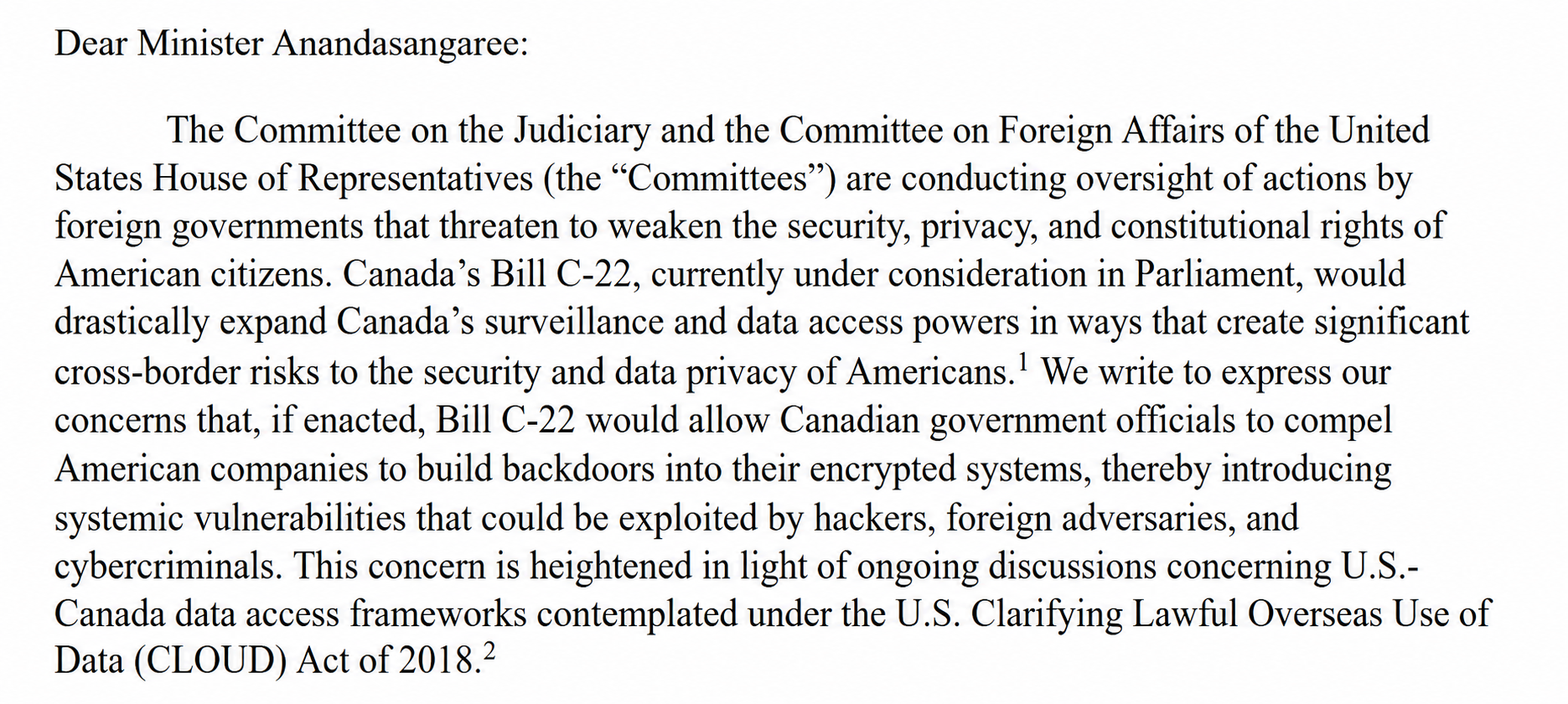
For months, Canadian privacy and security experts have been warning about the risks of lawful access. US Congressional leaders have now joined the fight, citing Bill C-22's harm to national security, citing the drastic expansion of Canada’s surveillance powers.
https://www.michaelgeist.ca/2026/05/u-s-congressional-leaders-warn-canadian-lawful-access-plans-harm-u-s-national-security-and-economic-interests/

U.S. Congressional Leaders Warn Canadian Lawful Access Plans Harm U.S. National Security and Economic Interests - Michael Geist
Michael Geist

U.S. Congressional Leaders Warn Canadian Lawful Access Plans Harm U.S. National Security and Economic Interests - Michael Geist

Just as Bill C-22, the Lawful Access Act, is under study at the House Standing Committee on Public Safety and National Security (I review my appearance yesterday in this post) U.S. Congressional leaders have written to Public Safety Minister Gary Anandasangaree warning that the bill threatens to harm “U.S. national security and economic interests by undermining trust in American technology and inviting reciprocal demands from other nations.” The message is clear: U.S. leaders are concerned that

10
2
10
1
Open post
Michael Geist @mgeist@mas.to
· 2mo ago
An open version of my Globe op-ed on addressing "awful but lawful" online hate. The core argument: platforms address much of this content in their own terms. The problem isn't policy; it's the need for enforceable rules to live up to their own standards. https://www.michaelgeist.ca/2026/08/why-the-answers-to-hateful-content-online-are-hiding-in-the-platforms-own-rules/
Why the Answers to Hateful Content Online are Hiding in the Platforms’ Own Rules - Michael Geist
Michael Geist

Why the Answers to Hateful Content Online are Hiding in the Platforms’ Own Rules - Michael Geist

The Canadian government has a two-pronged legal strategy to counter rising hate: New Criminal Code provisions to address offline harms, such as intimidation or protests outside schools and places of worship, and the digital safety bill introduced in June, which targets online harms. A new legal duty to act responsibly, which would require internet platforms to publish digital safety plans, provide greater transparency on their efforts to counter harms, and occasionally remove content, serves as

2
0
3
0
Open post
Michael Geist @mgeist@mas.to
· 2mo ago
Canada’s national AI strategy claims there is an AI adoption problem, with only 12% of businesses using AI. But Statscan released new data days earlier showing adoption had grown to 19.2%. My post on the strategy’s use of outdated data and dubious comparisons. https://www.michaelgeist.ca/2026/07/outdated-data-and-dubious-comparisons-digging-into-the-governments-ai-strategy-adoption-claims/
Outdated Data and Dubious Comparisons: Digging into the Government's AI Strategy Adoption Claims - Michael Geist
Michael Geist

Outdated Data and Dubious Comparisons: Digging into the Government's AI Strategy Adoption Claims - Michael Geist

The government’s national AI strategy is largely framed around the notion that Canada has an AI adoption problem. At the launch last month, Prime Minister Mark Carney said that “only 12% of Canadian businesses are using AI today” and presented the strategy as a plan to address concerns that Canada lags behind other countries. AI Minister Evan Solomon echoed the same issue and put a specific number on it, targeting an increase from 12 per cent to 60 per cent. The AI adoption issue helped justify

3
1
2
0
Open post
Michael Geist @mgeist@mas.to
· 2mo ago
A landmark AI copyright ruling from India: training ChatGPT on news articles is prima facie fair dealing. Foundation for the decision? Canada's CCH Supreme Court case and its emphasis on user rights. My post on the ruling and what it means for Canadian AI policy. https://www.michaelgeist.ca/2026/07/from-cch-to-chatgpt-how-canadian-copyright-law-played-the-key-role-in-deciding-a-leading-ai-training-data-case-in-india/
From CCH to ChatGPT: How Canadian Copyright Law Played the Key Role in Deciding a Leading AI Training Data Case in India - Michael Geist
Michael Geist

From CCH to ChatGPT: How Canadian Copyright Law Played the Key Role in Deciding a Leading AI Training Data Case in India - Michael Geist

The Delhi High Court has released what may be one of the most consequential copyright decisions yet on artificial intelligence, ruling in ANI Media Pvt. Ltd. v. OpenAI that OpenAI’s use of copyrighted news articles to train the models behind ChatGPT is prima facie fair dealing. The 135-page decision of Justice Amit Bansal, released last week, dismissed an Indian news agency’s application for an interim injunction, and while it is expressly not a final ruling on the merits, it features valuable a

2
0
5
0
Open post
Michael Geist @mgeist@mas.to
· 5mo ago

Three years after the Rogers-Shaw merger was approved, the fallout is arriving: buyouts for half the workforce, rising consumer complaints, and a company pivoting toward sports and media. Peter Nowak joins the Law Bytes podcast this week to discuss.
https://www.michaelgeist.ca/2026/05/the-law-bytes-podcast-episode-267-peter-nowak-on-rogers-the-shaw-merger-aftermath-and-the-limits-of-canadian-telecom-policy/

The Law Bytes Podcast, Episode 267: Peter Nowak on Rogers, the Shaw Merger Aftermath, and the Limits of Canadian Telecom Policy - Michael Geist
Michael Geist

The Law Bytes Podcast, Episode 267: Peter Nowak on Rogers, the Shaw Merger Aftermath, and the Limits of Canadian Telecom Policy - Michael Geist

The recent announcement that Rogers is offering buyouts to half of its workforce is just the tip of the iceberg in a series of developments involving one of Canada’s dominant communications companies. It has seen rising consumer complaints, is cutting capital expenditures, increasingly pivoting towards sports and media, and is now looking to cut its workforce dramatically. Three years after the Rogers-Shaw merger, is this simply the predicted outcome of allowing that merger to go through? To hel

8
4
5
0
Open post
Michael Geist @mgeist@mas.to
· 2mo ago
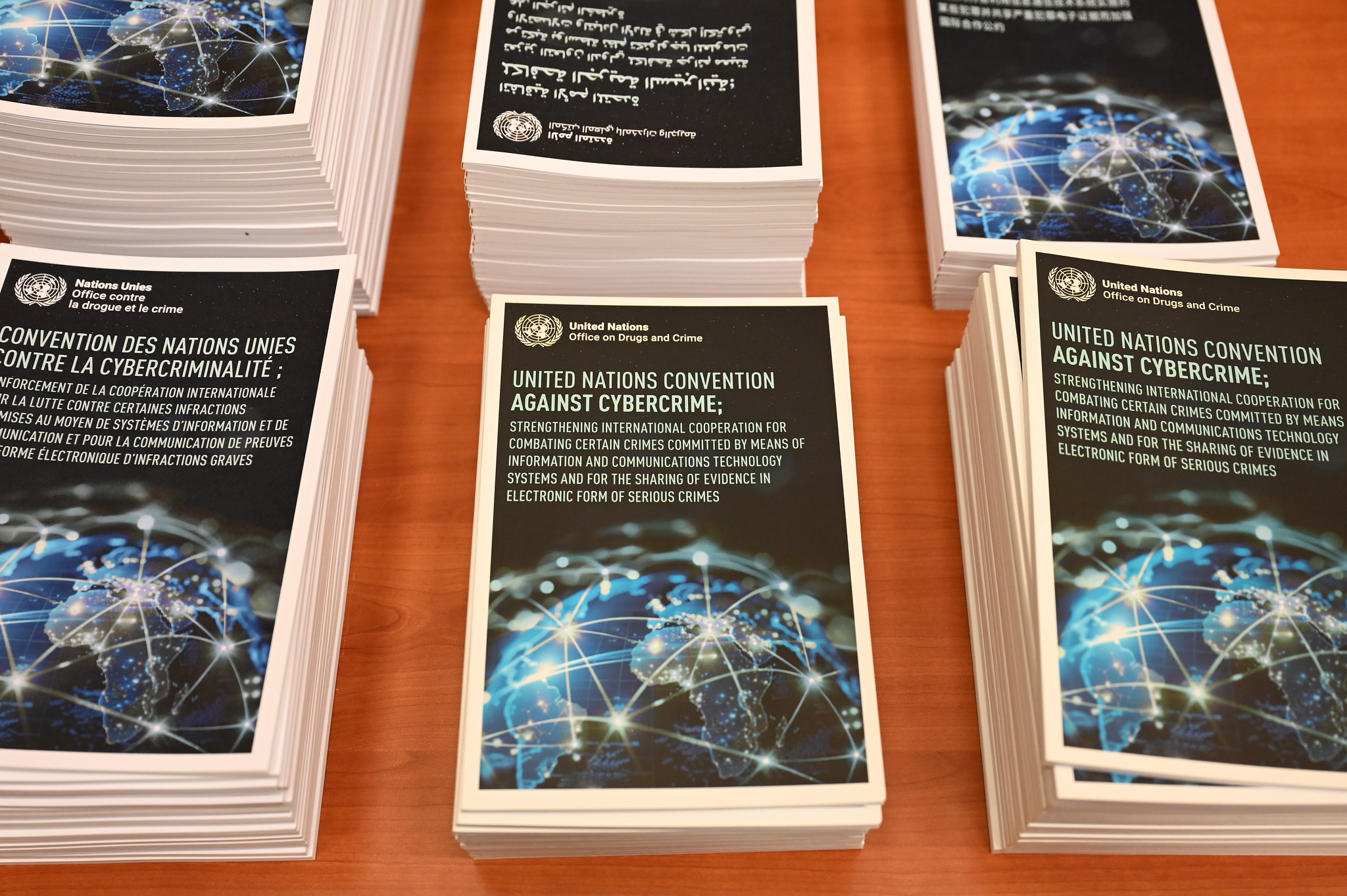
The Canadian government’s surprise decision to sign the UN Cybercrime Convention has sparked many questions about the convention, its risks, and why Canada reversed its previous opposition. Kate Robertson joins my Law Bytes podcast this week to discuss. https://www.michaelgeist.ca/2026/07/episode-277-kate-robertson-on-the-risks-that-lie-behind-canadas-unexpected-signing-of-the-un-cybercrime-convention/
The Law Bytes Podcast, Episode 277: Kate Robertson on the Risks That Lie Behind Canada's Unexpected Signing of the UN Cybercrime Convention - Michael Geist
Michael Geist

The Law Bytes Podcast, Episode 277: Kate Robertson on the Risks That Lie Behind Canada's Unexpected Signing of the UN Cybercrime Convention - Michael Geist

The Canadian government’s surprise decision to sign the UN Cybercrime Convention has sparked many questions about the convention, its risks, and what changed over the past nine months between Canada no-showing the signing in Vietnam and this month’s reversal. To help answer those questions, there is no one better than Kate Robertson, a senior research associate at the Citizen Lab, who has been vocal on the convention since negotiations began years ago. She joins the Law Bytes podcast to discuss

2
0
6
0
Open post
Michael Geist @mgeist@mas.to
· 5mo ago

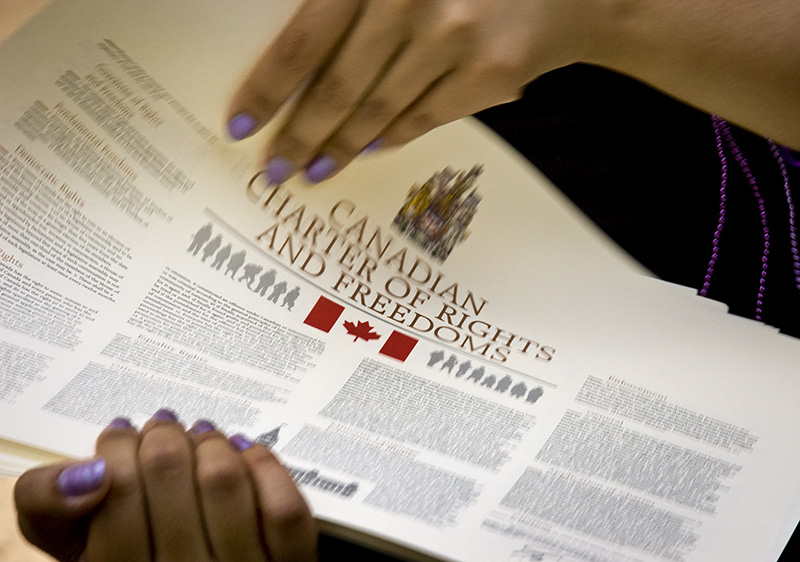
The government seems to think that if it ignores potential violations of Charter rights, the issue magically disappears. Its charter statement on lawful access (Bill C-22) says nothing about mandated metadata collection or risk of systemic vulnerabilities.
https://www.michaelgeist.ca/2026/05/wilful-blindness-how-the-lawful-access-charter-statement-skips-bill-c-22s-most-constitutionally-vulnerable-provisions/

Wilful Blindness?: How the Lawful Access Charter Statement Skips Bill C-22's Most Constitutionally Vulnerable Provisions - Michael Geist
Michael Geist

Wilful Blindness?: How the Lawful Access Charter Statement Skips Bill C-22's Most Constitutionally Vulnerable Provisions - Michael Geist

The committee hearings on Bill C-22, the lawful access bill, kick off later today with an appearance by Justice Minister Sean Fraser and Public Safety Minister Gary Anandasangaree, who will presumably use the opportunity to affirm their support for the bill and reject concerns that certain elements are inconsistent with the Charter of Rights and Freedoms. That position reflects the government’s Charter statement on the bill, which was released late last month. The statement walks through the Cha

6
0
9
0
Open post
Michael Geist @mgeist@mas.to
· 3mo ago
The focus of Bill C-36 has centred on the government stripping the Privacy Commissioner of power over private sector privacy law. Former BC privacy commissioner David Loukidelis joins the Law Bytes podcast to explain why it’s an unnecessarily risky policy. https://www.michaelgeist.ca/2026/07/the-law-bytes-podcast-episode-275-david-loukidelis-on-why-stripping-privacy-enforcement-from-canadas-privacy-commissioner-in-bill-c-36-is-unnecessarily-risky-policy/
The Law Bytes Podcast, Episode 275: David Loukidelis on Why Stripping Privacy Enforcement from Canada’s Privacy Commissioner in Bill C-36 is Unnecessarily Risky Policy - Michael Geist
Michael Geist

The Law Bytes Podcast, Episode 275: David Loukidelis on Why Stripping Privacy Enforcement from Canada’s Privacy Commissioner in Bill C-36 is Unnecessarily Risky Policy - Michael Geist

he government’s privacy reform bill was supposed to earn applause for its effort to modernize outdated rules and provide Canadians with stronger privacy protections. Yet the decision to strip the Privacy Commissioner of Canada of responsibility for private-sector privacy law and shift that responsibility to the Digital Safety Commission has sparked widespread concern among Canadian privacy experts. This week’s Law Bytes podcast features David Loukidelis, one of Canada’s best-regarded former pri

2
0
4
0
Open post
Michael Geist @mgeist@mas.to
· 6mo ago

Heads They Win, Tails We Lose: What Lies Behind the U.S. Trade Battle For Control over Data
https://www.michaelgeist.ca/2026/04/heads-they-win-tails-we-lose-what-lies-behind-the-u-s-trade-battle-for-control-over-data/

Heads They Win, Tails We Lose: What Lies Behind the U.S. Trade Battle For Control over Data - Michael Geist
Michael Geist

Heads They Win, Tails We Lose: What Lies Behind the U.S. Trade Battle For Control over Data - Michael Geist

My Globe and Mail op-ed begins by noting that the Trump administration’s emphasis on tariffs continues to garner headlines, but a more consequential trade battle over data control is playing out with far less public attention. Last week, the U.S. released its annual report on trade barriers and for the first time, Canada was listed alongside dozens of other countries for seeking greater control over its own data. The message is clear: When countries enact laws that restrict where data is stored

6
2
8
0
Open post
Michael Geist @mgeist@mas.to
· 3mo ago
Over a two-week span this month, the government shifted from “make web giants pay” to a new digital policy approach. The open version of my Globe essay tries to make sense of the CRTC streaming reversal, lawful access, social media ban, and privacy overhaul. https://www.michaelgeist.ca/2026/06/the-two-weeks-that-reshaped-canadas-digital-policy/
The Two Weeks That Reshaped Canada’s Digital Policy - Michael Geist
Michael Geist

The Two Weeks That Reshaped Canada’s Digital Policy - Michael Geist

It started with an unexpected early-morning announcement on June 3, 2026, from Marc Miller, the Minister of Identity and Culture. Mr. Miller said that the government planned to direct the Canadian Radio-television and Telecommunications Commission (CRTC), Canada’s broadcast regulator, to review its two-week-old decision that imposed hundreds of millions in new investment requirements on internet streaming services. My Globe and Mail essay that appeared over the weekend notes that the move came a

2
0
2
0
Open post
Michael Geist @mgeist@mas.to
· 5mo ago

I don’t typically add new posts on the weekend. But when the government offers misleading defences of lawful access by citing a non-existent “mere suspicion” standard to justify weakening the protection for access to subscriber information in Bill C-22…
https://www.michaelgeist.ca/2026/04/a-standard-that-doesnt-exist-parliamentary-secretary-for-justice-offers-misleading-defence-of-bill-c-22s-lower-threshold-for-subscriber-information/

A Standard That Doesn't Exist: Parliamentary Secretary for Justice Offers Misleading Defence of Bill C-22's Lower Threshold for Subscriber Information - Michael Geist
Michael Geist

A Standard That Doesn't Exist: Parliamentary Secretary for Justice Offers Misleading Defence of Bill C-22's Lower Threshold for Subscriber Information - Michael Geist

The lawful access debate continued for a third day on Friday with Bloc MP Claude DeBellefeuille asking Patricia Lattanzio, the Parliamentary Secretary to the Minister of Justice, a critical question: why has the government chosen “the lowest possible threshold for obtaining information, that of reasonable grounds to suspect, rather than the more stringent threshold of reasonable grounds to believe.” She added that she did not understand the choice and would like a clear answer (I focused on this

5
0
16
0
Open post
Michael Geist @mgeist@mas.to
· 4mo ago

The CRTC's Online Streaming Act ruling isn't just a streaming levy. My post on why it likely violates CUSMA by dictating how foreign capital must be deployed in Canada and who must own the result, handing the U.S. the right to impose matching tariffs.
https://www.michaelgeist.ca/2026/05/from-levy-to-liability-why-canada-risks-facing-hundreds-of-millions-in-retaliatory-tariffs-due-to-the-crtcs-online-streaming-act-ruling/

From Levy to Liability: Why Canada Risks Facing Hundreds of Millions in Retaliatory Tariffs Due to the CRTC's Online Streaming Act Ruling - Michael Geist
Michael Geist

From Levy to Liability: Why Canada Risks Facing Hundreds of Millions in Retaliatory Tariffs Due to the CRTC's Online Streaming Act Ruling - Michael Geist

The CRTC’s Online Streaming Act ruling, which triples the mandated payments for large Internet streaming services, has attracted widespread criticism given fears the approach could result in higher consumer fees and a trade backlash from the United States. Culture Minister Marc Miller's response to the ruling was somewhat muted, saying the government was reviewing the changes and assessing their impact. The reluctance to take a stronger public position may stem from concerns about the ruling’s t

3
2
4
0
Open post
Michael Geist @mgeist@mas.to
· 5mo ago

Privacy commissioners, civil liberties groups, and privacy experts have all concluded that the current privacy safeguards for political parties are inadequate. My post on how the government is betting no one notices as it limits committee study on Bill C-25.
https://www.michaelgeist.ca/2026/05/going-through-the-motions-how-parliament-is-shutting-down-study-and-debate-on-political-party-privacy/

Going Through the Motions: How Parliament Is Shutting Down Study and Debate on Political Party Privacy - Michael Geist
Michael Geist

Going Through the Motions: How Parliament Is Shutting Down Study and Debate on Political Party Privacy - Michael Geist

Since the Carney government took power, it has shown an odd pre-occupation with preserving the power of federal political parties to use the personal information of millions of Canadians under fewer restrictions than those faced by practically any other organization in the country. It started with the quick introduction of Bill C-4, an “affordability measures” bill that buried provisions exempting parties from provincial privacy laws and substituted a weak system that applied retroactively to th

4
2
7
0
Open post
Michael Geist @mgeist@mas.to
· 8mo ago

Government used AI to summarize expert reports from its AI consult. I did the same by uploading them to Chat GPT/Perplexity AI to generate new summaries. I found the government consistently softened advice creating an illusion of consensus that isn’t really there.
https://www.michaelgeist.ca/2026/02/aiconsultresults/

An Illusion of Consensus: What the Government Isn’t Saying About the Results of its AI Consultation - Michael Geist
Michael Geist

An Illusion of Consensus: What the Government Isn’t Saying About the Results of its AI Consultation - Michael Geist

The government quietly released a “what we heard” report this week discussing the response to its 30-day sprint AI consultation from last October. Described as the “largest public consultation in the history of ISED”, the report relies heavily on AI for its analysis as the government notes that it used “Cohere Command A, OpenAI GPT-5 nano, Anthropic Claude Haiku and Google Gemini Flash to read through the submissions and identify common themes.” Given that it received 64,600 responses to 26 ques

8
0
8
0
Open post
Michael Geist @mgeist@mas.to
· 5mo ago
The government's case for lawful access just got more alarming: it now admits Bill C-22 is a first step and it is open to going further. Metadata retention and embedded intercept infrastructure aren't the ceiling. They're the surveillance starting point. https://www.michaelgeist.ca/2026/04/more-surveillance-demands-to-come-government-admits-bill-c-22s-lawful-access-provisions-could-be-expanded/
More Surveillance Demands to Come?: Government Admits Bill C-22’s Lawful Access Provisions Could Be Expanded - Michael Geist
Michael Geist

More Surveillance Demands to Come?: Government Admits Bill C-22’s Lawful Access Provisions Could Be Expanded - Michael Geist

Debate on Bill C-22, the Lawful Access Act, continued this week with Public Safety Minister Gary Anandasangaree and Secretary of State for Combatting Crime Ruby Sahota leading the government’s case on Wednesday. I posted earlier on the first day of debate, which was notable for what the government chose not to say, as Justice Minister Fraser devoted just a single paragraph to the bill’s expansive metadata retention provisions and offered only process answers to questions about systemic vulnerabi

4
0
4
0
Open post
Michael Geist @mgeist@mas.to
· 4mo ago

Social media and AI chatbot bans for kids are fast becoming a political consensus in Canada. But @smgrimes@mastodon.social, who has spent decades working on children's rights and digital policy, sees a moral panic in the making. She joins my Law Bytes podcast to discuss.
https://www.michaelgeist.ca/2026/05/the-law-bytes-podcast-episode-268-sara-grimes-on-the-moral-panic-behind-banning-kids-from-social-media-and-ai-chatbots/

mastodon.social

Sara M. Grimes (@smgrimes@mastodon.social) - Mastodon

3
0
2
0
Open post
Michael Geist @mgeist@mas.to
· 6mo ago

Setting Canada’s AI Policy Priorities: My Appearance Before the Standing Committee on Industry, Science and Technology
https://www.michaelgeist.ca/2026/03/setting-canadas-ai-policy-priorities-my-appearance-before-the-standing-committee-on-industry-science-and-technology/

Setting Canada’s AI Policy Priorities: My Appearance Before the Standing Committee on Industry, Science and Technology - Michael Geist
Michael Geist

Setting Canada’s AI Policy Priorities: My Appearance Before the Standing Committee on Industry, Science and Technology - Michael Geist

The Standing Committee on Industry, Science and Technology is one of several House and Senate committees currently grappling with legal, regulatory and policy challenges and opportunities presented by AI. I appeared before the committee yesterday alongside Yoshua Bengio and Colin Bennett. Bengio unsurprisingly garnered the lion’s share of the questions, but the committee did give me the chance to highlight my thoughts on policy priorities and to address a few questions. I plan to post some refle

4
0
7
0
Open post
Michael Geist @mgeist@mas.to
· 5mo ago

After four days of debate, lawful access heads to committee with risks more exposed. MPs targeting metadata retention, security vulnerabilities, and weakened subscriber info standard. Government's only answer: we're the only G7 without this. Not a defence.
https://www.michaelgeist.ca/2026/04/lawful-access-heads-to-committee-the-opposition-found-its-voice-the-government-never-found-its-defence/

Lawful Access Heads to Committee: The Opposition Found Its Voice, the Government Never Found Its Defence - Michael Geist
Michael Geist

Lawful Access Heads to Committee: The Opposition Found Its Voice, the Government Never Found Its Defence - Michael Geist

After several days of debate in which the opposition to lawful access seemed half-hearted at best, the Conservatives woke up on Monday. MP after MP rose to argue, correctly, that Bill C-22 represents an unprecedented surveillance threat: mandated metadata retention (including location information) for up to a year, security vulnerabilities built into the interception architecture the bill requires, and a weakened legal standard for access to subscriber information. After days of debate with the

3
0
2
0
Open post
Michael Geist @mgeist@mas.to
· 5mo ago

Sovereignty preferred, but not mandated: Canadian AI Sovereign Compute program prioritizes but doesn’t mandate data residency, is ok with companies contractually controlled but not owned by Canadians, and must only limit instances of foreign access to data.
https://ised-isde.canada.ca/site/ised/en/program-guide-artificial-intelligence-sovereign-compute-infrastructure-program-scip#3a

ised-isde.canada.ca

Program guide: Artificial Intelligence Sovereign Compute Infrastructure Program (SCIP)

Table of contents Introduction Program description a. Program objectives b. Priorities c. Program scope d. Funding available Program requirements a. Sovereignty requirements b.

3
2
8
1
Open post
Michael Geist @mgeist@mas.to
· 5mo ago

Data sovereignty is a global structural trend. The U.S. is fighting it by asserting legal access wherever data sits and pressuring countries that try to move their data beyond that reach. The follow-up to my Globe and Mail op-ed catalogues what the 2026 U.S. National Trade Estimate Report on Foreign Trade Barriers actually says about cloud computing and data sovereignty worldwide.
https://www.michaelgeist.ca/2026/04/the-global-battle-for-data-control-how-the-2026-u-s-report-on-trade-barriers-targets-data-sovereignty-worldwide/

The Global Battle for Data Control: How the 2026 U.S. Report on Trade Barriers Targets Data Sovereignty Worldwide - Michael Geist
Michael Geist

The Global Battle for Data Control: How the 2026 U.S. Report on Trade Barriers Targets Data Sovereignty Worldwide - Michael Geist

My Globe and Mail op-ed last week argued that the U.S. is pursuing a two-pronged strategy on cross-border data: the CLOUD Act to assert legal access wherever data sits, and trade policy to pressure countries that try to move their data beyond that reach. This post provides the underlying data that the op-ed could not fit with a fuller picture of what the 2026 U.S. National Trade Estimate Report on Foreign Trade Barriers (NTE) actually says about cloud computing and data sovereignty across the gl

3
0
5
5
Open post
Michael Geist @mgeist@mas.to
· 5mo ago

The Heritage committee's new AI report is framed as a way to protect Canadian creators. But its leading recommendation of opt-in consent for all training data would do the opposite, making Canada an outlier and reducing Canadian content in AI models.
https://www.michaelgeist.ca/2026/04/ai-without-canada-why-the-heritage-committees-ai-report-could-lead-to-less-canadian-content-in-the-training-data/

AI Without Canada: Why the Heritage Committee’s AI Report Could Lead to Less Canadian Content in the Training Data - Michael Geist
Michael Geist

AI Without Canada: Why the Heritage Committee’s AI Report Could Lead to Less Canadian Content in the Training Data - Michael Geist

When I appeared before the Standing Committee on Canadian Heritage last fall for its study on AI and the creative industries, I emphasized that the large language models and generative AI systems that are reshaping how people access information, culture, and entertainment are only as representative as the data on which they are trained. If Canadian works, perspectives, and cultural content are absent from those models, Canada risks disappearing in the AI-mediated world. The committee’s report, r

2
8
2
1
Open post
Michael Geist @mgeist@mas.to
· 5mo ago

My post on the Blacklock's copyright case. The FCA decision comes with a catch: Federal Court's fair dealing and TPM analysis stands as the most thorough treatment of these questions in Canadian copyright law, serving as a roadmap for future cases.
https://www.michaelgeist.ca/2026/04/win-lose-or-draw-the-federal-court-of-appeal-overrules-a-key-copyright-case-on-procedural-grounds/

Win, Lose or Draw?: The Federal Court of Appeal Overrules a Key Copyright Case on Procedural Grounds - Michael Geist
Michael Geist

Win, Lose or Draw?: The Federal Court of Appeal Overrules a Key Copyright Case on Procedural Grounds - Michael Geist

Nearly two years ago, I wrote that the Federal Court had issued a major decision on the relationship between fair dealing and digital locks, concluding that copyright's anti-circumvention rules do not trump user rights (podcast on the case here). That decision, Blacklock's Reporter v. Attorney General of Canada, was a big win for user rights because, for the first time, a court ruled that Canada's anti-circumvention rules (aka digital lock rules) were subject to fair dealing. Last month, the Fed

2
0
4
0
Open post
Michael Geist @mgeist@mas.to
· 5mo ago

In a year in which AI has dominated much of the news cycle, the story of Anthropic’s Mythos and the cybersecurity concerns may be the biggest story of them all. Jason Miller joins the Law Bytes podcast to talk about Mythos and the AI governance challenges.
https://www.michaelgeist.ca/2026/04/the-law-bytes-podcast-episode-265-jason-millar-on-claude-mythos-project-glasswing-and-the-governance-crisis-in-frontier-ai/

The Law Bytes Podcast, Episode 265: Jason Millar on Claude Mythos, Project Glasswing, and the Governance Crisis in Frontier AI - Michael Geist
Michael Geist

The Law Bytes Podcast, Episode 265: Jason Millar on Claude Mythos, Project Glasswing, and the Governance Crisis in Frontier AI - Michael Geist

In a year in which AI has truly dominated much of the news cycle, the story of Anthropic’s Mythos may be the biggest story of them all. A version of the popular Claude AI service is reportedly so powerful that the company can’t release it to the public yet. As governments race to meet with company officials, there are serious cybersecurity risks, prompting many leading software companies to join a new working group to get ahead of the issue before the AI model is publicly released. Jason Millar

1
0
1
0
Open post
Michael Geist @mgeist@mas.to
· 5mo ago

AI is one of the most consequential policy challenges we face. In my opening remarks before the Senate TRCM committee, I focus on three critical issues: privacy, copyright, and the need for an AI Transparency Act.
https://www.michaelgeist.ca/2026/04/addressing-the-ai-policy-challenge-my-appearance-before-the-standing-senate-committee-on-transport-and-communications/

Addressing the AI Policy Challenge: My Appearance before the Standing Senate Committee on Transport and Communications - Michael Geist
Michael Geist

Addressing the AI Policy Challenge: My Appearance before the Standing Senate Committee on Transport and Communications - Michael Geist

Earlier this week, I appeared before the Standing Senate Committee on Transport and Communications as part of its study on AI regulation. This follows earlier appearances before the House of Commons Heritage and Industry committees on the same issue. The hearing led to robust exchanges with multiple Senators on the intersection of AI policy with issues such as privacy, copyright, online harms, and sovereignty. I plan to post clips from the hearing in a future Law Bytes podcast, but in the meanti

0
0
3
0
Open post
Michael Geist @mgeist@mas.to
· 6mo ago

The Law Bytes Podcast, Episode 261: Ian Goldberg on the Privacy Risks of Age Assurance Technologies
https://www.michaelgeist.ca/2026/03/the-law-bytes-podcast-episode-261-ian-goldberg-on-the-privacy-risks-of-age-assurance-technologies/

The Law Bytes Podcast, Episode 261: Ian Goldberg on the Privacy Risks of Age Assurance Technologies - Michael Geist
Michael Geist

The Law Bytes Podcast, Episode 261: Ian Goldberg on the Privacy Risks of Age Assurance Technologies - Michael Geist

Age verification, estimation or inference is seemingly all the rage right now. Vendors are promoting it as the solution to thorny challenges to limit access to certain sites and services and politicians are eager to legislate in that direction, including in Canada with Bill S-209. Hundreds of scientists and technology experts from around the world have taken note of the trend and come together to issue a public letter warning about the privacy, safety and discrimination risks associated with th

0
0
2
0
Open post
Michael Geist @mgeist@mas.to
· 5mo ago

The AI privacy debate typically focuses on what data goes in. My Globe op-ed discusses the flip side: what AI figures out by reconstructing identities from fragments never meant to be personal data. De-identification, a core part of privacy law, is broken.
https://www.theglobeandmail.com/opinion/article-the-privacy-threat-that-ai-poses-isnt-what-it-learns-its-what-it/
Opinion: The privacy threat that AI poses isn’t what it learns. It’s what it figures out
The Globe and Mail

Opinion: The privacy threat that AI poses isn’t what it learns. It’s what it figures out

Our privacy frameworks are built on de-identification standards. In short order, AI has shattered them

0
2
4
0
Back
313k7r1n3
Elektrine

Tor hidden service

elekhj7afj4qnrr4yd3bkzslsyo5jgfxw3orgjkhlcxifueodybyiiad.onion

I2P eepsite

j6b6cyk6gjmepjih7jjadxgxvvf3lzzujljuu2v4biemzpg3naya.b32.i2p

Platform

  • Email
  • Chat
  • Timeline
  • VPN
  • DNS

Company

  • About
  • Contact
  • FAQ
  • Lite (no JS)

Legal

  • Terms of Service
  • Privacy Policy
  • Transparency Report
  • Report Abuse
  • Warrant Canary
  • VPN Policy

Support

  • support@elektrine.com
  • Report Security Issue
Mail client setup IMAP mail.elektrine.com:993 POP3 mail.elektrine.com:995 SMTP mail.elektrine.com:465
© 2026 Elektrine. All rights reserved. Server: 01:56:41 UTC