Ada Palmer
F&SF Novelist (Terra Ignota), historian (U Chicago), Renaissance, book history, censorship, classics, disability activism, FILK music Sassafrass, manga/anime Tezuka, chronic pain
A tetanus-diphtheria vaccine that doesn’t need a fridge has passed its first human trial. UK scientists reformulated a licensed shot using trehalose, the sugar that lets desert plants survive without water, keeping it stable for up to two years at 30°C. In a trial involving 60 adults it matched two approved vaccines on safety and immunity. Gavi https://www.gavi.org/vaccineswork/fridge-free-vaccine-passes-first-human-trial-raising-hopes-hardest-reach
#ShareGoodNewsToo
Porto has made public transport free for all residents. Since 10 July, anyone living in Portugal’s second largest city can ride the metro, buses, trams and ferries across the metropolitan area at no charge, in a bid to coax people out of their cars. EU Today https://eutoday.net/porto-introduces-free-public-transport/
#ShareGoodNewsToo
Meet Rachel Ikemeh, the woman who almost single-handedly saved a species of primate. The Niger Delta red colobus was unknown to science until 1993 and lost 90% of its population within two decades, falling to an estimated 200 animals. Ikemeh’s community-led project, launched in 2013, now protects more than 80 km² and 16 threatened species, and its resident colobus population has doubled. This year she opened Nigeria’s first locally managed marine area. https://edition.cnn.com/world/africa/conservationist-rachel-ikemeh-nigeria-c2e-spc
#ShareGoodNewsToo
Bolivia just celebrated its first same-sex civil marriage. Fabiana Banzer and Scarlett Rocha wed in Santa Cruz after nearly four years of legal battles, opening the door for other couples still waiting for their families to be recognised. DW https://www.dw.com/es/primer-matrimonio-civil-homosexual-en-bolivia/a-78298017
#ShareGoodNewsToo
Your paper towel may soon grow in the desert. Kimberly-Clark, one of the world’s biggest tissue makers, says it has made a “Goldilocks discovery”: hesperaloe, a spiky arid-climate plant that yields fibre stronger and softer than wood, with a fraction of the water and no felled trees. After spending $250 million over 20 years on testing 70 candidates, the firm is now building a pilot crop facility in Arizona. WSJ https://www.wsj.com/business/the-paper-in-your-paper-towel-is-a-candidate-for-a-radical-overhaul-4b90898c
#ShareGoodNewsToo
Malaysia is giving book vouchers to 2.2 million students, and it’s paying dividends. Every student from secondary school to teacher-training college now gets a $21 voucher to spend at more than 1,200 booksellers. The scheme hit a 100% redemption rate in its first year, and 97% of recipients said it helped, especially poorer families. The Star https://www.thestar.com.my/news/nation/2026/06/30/book-vouchers-for-22-million-students-redemption-starts-tomorrow
#ShareGoodNewsToo
The first new tuberculosis vaccine in a century is heading for mass production. India’s Serum Institute will manufacture M72/AS01E under an agreement with the Gates Medical Research Institute, investing more than $100 million ahead of approval. TB still kills 1.23 million people a year. WHO estimates a vaccine with this efficacy profile could prevent 76 million cases and save 8.5 million lives over 25 years. Reuters https://www.reuters.com/business/healthcare-pharmaceuticals/indias-serum-institute-partners-with-gates-mri-make-expiremental-tb-vaccine-2026-07-16/
#ShareGoodNewsToo
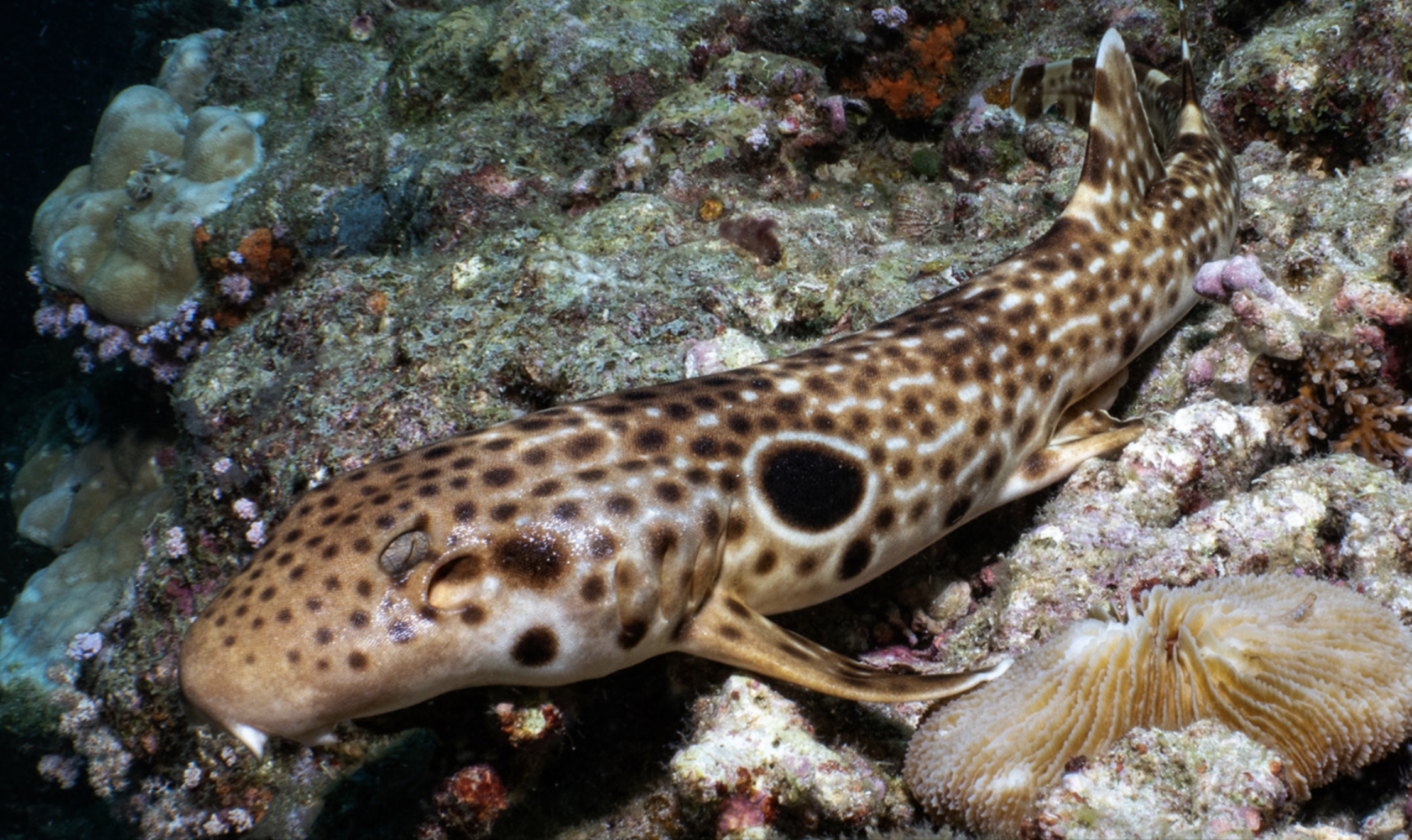
Sea life is moving into offshore wind farms. A Dutch technician filmed a seal hunting inside a turbine tower; scientists now find oysters, lobsters, sharks and porpoises colonising the rock piles that anchor them, the “coral reefs of the north”. Off southern England, 75,000 textured reef cubes were sunk at one farm, and bottom-trawling around UK sites has fallen 77%. Atmos https://atmos.earth/science-and-nature/the-sea-life-making-a-home-in-offshore-wind-farms/
#ShareGoodNewsToo
Easter Island’s people take command of their sea. The Rapa Nui community has locked in funding, patrols and research for the 700,000 km² Te Moana Tapu a Hotu Matu’a reserve, one of the largest marine protected areas anywhere run by an Indigenous-majority board. Partnerships with Island Conservation and the Blue Nature Alliance, plus Packard Foundation money, will turn paper protection into enforcement. Oceanographic https://oceanographicmagazine.com/news/indigenous-led-mpa-secures-critical-international-backing/
#ShareGoodNewsToo
The world’s first giant anteater reintroduction appears to be succeeding: more than 200 giant anteaters now live free in Argentina’s Iberá wetlands. By the mid-20th century, giant anteaters, locally called yurumí, had disappeared from the region, due to poaching, fires and habitat destruction: the reintroduced anteaters from the 2000s are now self-sustaining and have started attracting wildlife tourists. Noticias https://noticiasambientales.com/animals/corrientes-celebrates-19-years-of-the-giant-anteater-reintroduction-project-in-the-ibera-wetlands/
#ShareGoodNewsToo
The world’s population of Asiatic lions has grown from 523 in 2015 to 891 in 2025, a 70% jump, with their range expanding from 30,000 km² to 35,000 km². More than 55,000 open wells have been fenced off to stop lions falling in. Wild prey now makes up 74% of their diet, up from just 26% in 1974. Business Standard https://www.business-standard.com/india-news/asiatic-lion-population-rises-70-percent-decade-891-world-lion-day-126081000837_1.html
#ShareGoodNewsToo
Uganda has started the countdown to the end of its Ebola outbreak. The last confirmed patient tested negative twice and was discharged on 16 July, starting the 42-day clock. The outbreak, declared on 15 May, infected 20 people and killed two, with all 836 contacts traced. The catch: transmission continues in neighbouring DRC, and a single imported case would reset the clock to zero. WHO Africa https://www.afro.who.int/countries/uganda/news/uganda-begins-countdown-end-ebola-outbreak
#ShareGoodNewsToo
Mexico is putting $1.15 billion into cleaning up three of its most polluted rivers: the Atoyac, the Tula and the Lerma-Santiago. Alongside treatment plants and sewer collectors, the programme has identified 479 illegal dumps, reforested thousands of hectares and regulated hundreds of industrial discharge points. First-phase works are 85% and 90% complete. Mexico Business News https://mexicobusiness.news/infrastructure/news/mexico-commits-mx20-billion-restore-three-major-rivers
#ShareGoodNewsToo
Once a poster child for drought, San Diego now produces surplus water: enough to export to other states, thanks to decades of investment in recycling and desalination. The city is now negotiating deals to supply Arizona and Nevada, easing pressure on the Colorado River. Wall Street Journal https://www.wsj.com/us-news/climate-environment/san-diego-now-has-so-much-water-that-its-selling-it-527186fb
#ShareGoodNewsToo
Sudan and South Sudan have eliminated maternal and neonatal tetanus, a major milestone for maternal and child health in two countries mired in conflict. In Sudan, vaccination campaigns between 2016 and 2019 reached more than 3.5 million women in high-risk districts. Midwife training, prenatal care and community outreach did the rest of the work to get to elimination thresholds nationwide. UNICEF https://www.unicefusa.org/stories/maternal-and-neonatal-tetanus-eliminated-south-sudan-and-sudan #ShareGoodNewsToo
Renewables cut European power prices by 24% on average. Wind and solar expansion reduced wholesale electricity prices by an average 24.2% across 19 European countries between 2023 and 2025, weakening the link between power costs and volatile gas markets. Solar alone has saved countries in the bloc over €3 billion since March 2026. Euronews https://www.euronews.com/2026/04/24/decoupling-from-fossil-fuel-shocks-europes-electricity-made-25-cheaper-thanks-to-solar-and
#ShareGoodNewsToo
Sightings of humpback whale “super-groups” skyrocket, with researchers documenting a record 304 individuals in a single day off South Africa. Sightings of large aggregations have jumped from 10 to 65 per year in just five years, driven by recovering populations and abundant prey. Scientists say the phenomenon signals a major conservation success, with wider benefits for marine ecosystems through nutrient cycling and ocean health. BBC https://www.bbc.com/future/article/20260416-the-humpback-super-groups-swarming-the-seas
#ShareGoodNewsToo
Railway solar project turns unused track space into energy
Switzerland is testing a simple idea: lay removable solar panels between train tracks to generate power from space that normally sits unused. A pilot in Buttes has installed 48 panels over 100 metres, producing about 16,000 kWh a year while trains keep running. If it scales, rail lines could double up as clean energy sources, without taking up extra land. SNCF https://www.groupe-sncf.com/en/innovation/solar-power-between-rails
#ShareGoodNewsToo
Mummies with golden tongues, and a piece of Homer tucked inside one of them. That’s what archaeologists just pulled out of a Roman-era tomb at Al-Bahnasa in Egypt, the ancient city once called Oxyrhynchus. Four of them had metal tongues placed in their mouths. The idea was that the dead would need them to speak in the afterlife. Inside one mummy’s wrappings, the team found a scrap of papyrus carrying a passage from Book II of Homer’s Iliad. Smithsonian https://www.smithsonianmag.com/smart-news/archaeologists-unearth-a-papyrus-fragment-from-the-iliad-tucked-inside-the-wrappings-of-a-1600-year-old-egyptian-mummy-180988603/
#ShareGoodNewsToo