#himalaya

9 posts · Last used 35m

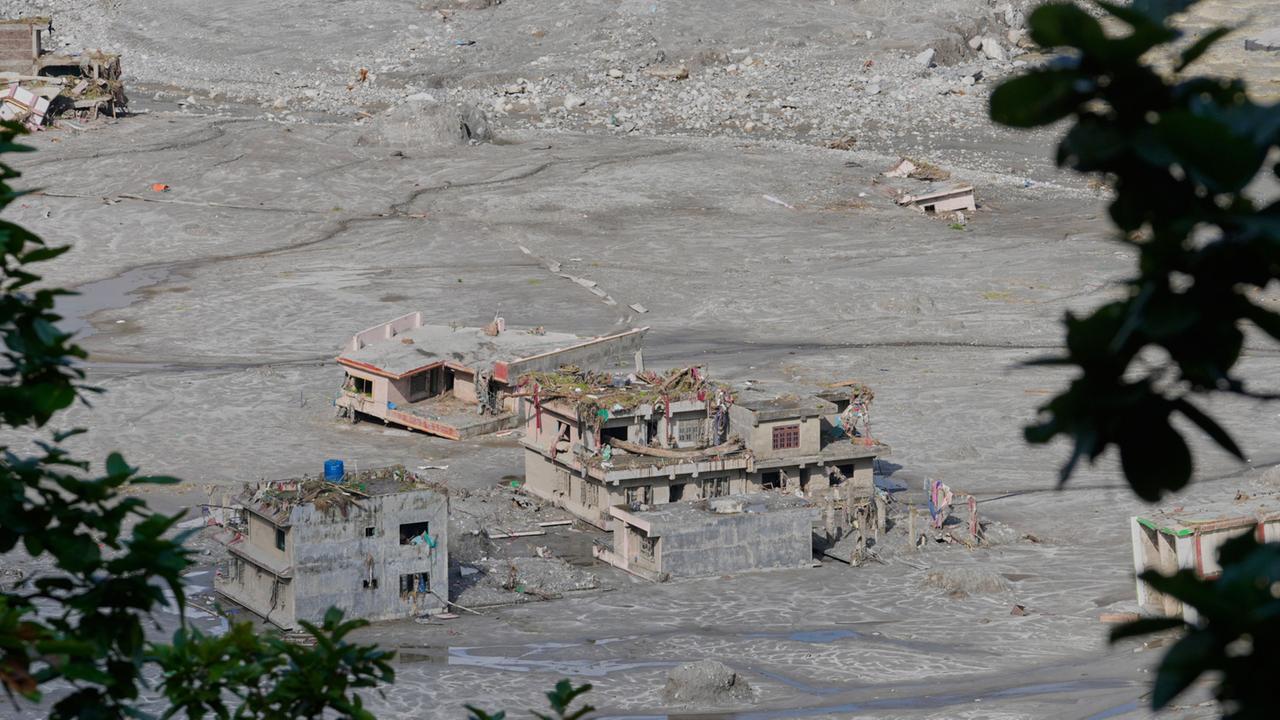
#Himalaya • The Himalayas are known as Earth’s “third pole” due to the massive accumulation of snow and ice there • A new study details how soot from brick kilns in India is coating glaciers, impacting regional albedo, & speeding up melt rates by one-third • Nepal's deadly flash flood in August was a wake-up call to the region’s growing ecological instability https://www.popularmechanics.com/science/environment/a74036997/black-carbon-himalayas/ #ClimateChange #UpheavalClimate #ClimateInstability #ClimateReversal #pollution #ecology #environment #climate

0
0
0
0
Klimawandel war ein Hauptgrund für Felssturz im Himalaya Ein neuer Bericht über die Ursachen der Sturzflut im Himalaya zeigt: Der Klimawandel hatte einen weit größeren Anteil an der Katastrophe als zunächst vermutet. Ein dabei entdecktes, kaum bekanntes Phänomen könnte auch in den Alpen relevant sein. Von Frank Bäumer. ➡️ https://www.tagesschau.de/wissen/klima/sturzflut-himalaya-klimawandel-100.html?at_medium=mastodon&at_campaign=tagesschau.de #Himalaya #Sturzflut #Klimawandel
34
3
34
2
#Sonprayag #Munkatiya #Rudraprayag #Uttarakhand #Himalaya #India Disaster response teams, including the State Disaster Response Force (SDRF) and local security personnel, have been urgently deployed to the Sonprayag and Munkatiya sectors to secure the perimeter and initiate debris clearance. The sudden disruption leaves thousands of devotees stranded, underscoring the lethal fragility of Himalayan infrastructure in the face of escalating climate extremes https://streamlinefeed.co.ke/news/landslides-halt-kedarnath-yatra-in-uttarakhand-leaving-thousands-stranded #ClimateChange
0
0
0
0
Warming unlocks ancient carbon in Tibetan permafrost, triggering climate tipping point The results revealed a clear and troubling pattern across all warming levels. Even under low to moderate warming, #carbon losses through respiration outpaced photosynthetic carbon gains by 1–16-fold. Warming by +1°C, +2°C, and +4°C increased annual net #CO2 release by 44%, 80%, and 176%, respectively, and the site was a net carbon source before any experimental warming began. "When warming reaches around 2–4°C, the system changes fundamentally," Ding told Phys.org. "Plants begin to reach their thermal and water-stress limits, so photosynthesis declines. At the same time, thaw penetrates deeper into the #soil, exposing old #permafrost carbon that has been frozen and protected for hundreds to thousands of years. Once thawed, microbes can decompose it and release it as CO2." https://phys.org/news/2026-06-ancient-carbon-tibetan-permafrost-triggering.html #TippingPoint#Tibet#Himalaya#Uhhps
14
0
23
0
You've seen all posts